Traveling to Havana is unlike almost anywhere else in the Caribbean. It’s not just a beach destination—it’s a step back in time, a cultural experience, and honestly, an adventure from the moment you leave the U.S. Between classic cars, historic streets, and the complexities of traveling under U.S. restrictions, this is one of the most unique trips I’ve taken.

Note from Travis: totally agree! Logan’s notes are more up to date than mine, but check here for my tips too!
Getting There
Getting to Havana is straightforward logistically—but requires more prep than most trips.
Flights: Surprisingly, most major U.S. airlines (as well as Canadian and other international carriers) fly to Cuba, including Delta Air Lines, American Airlines, Southwest Airlines, Copa Airlines, and Iberia. Most routes go through hubs like Miami, Fort Lauderdale, or Tampa. Expect older planes on the Havana route, but generally smooth travel.
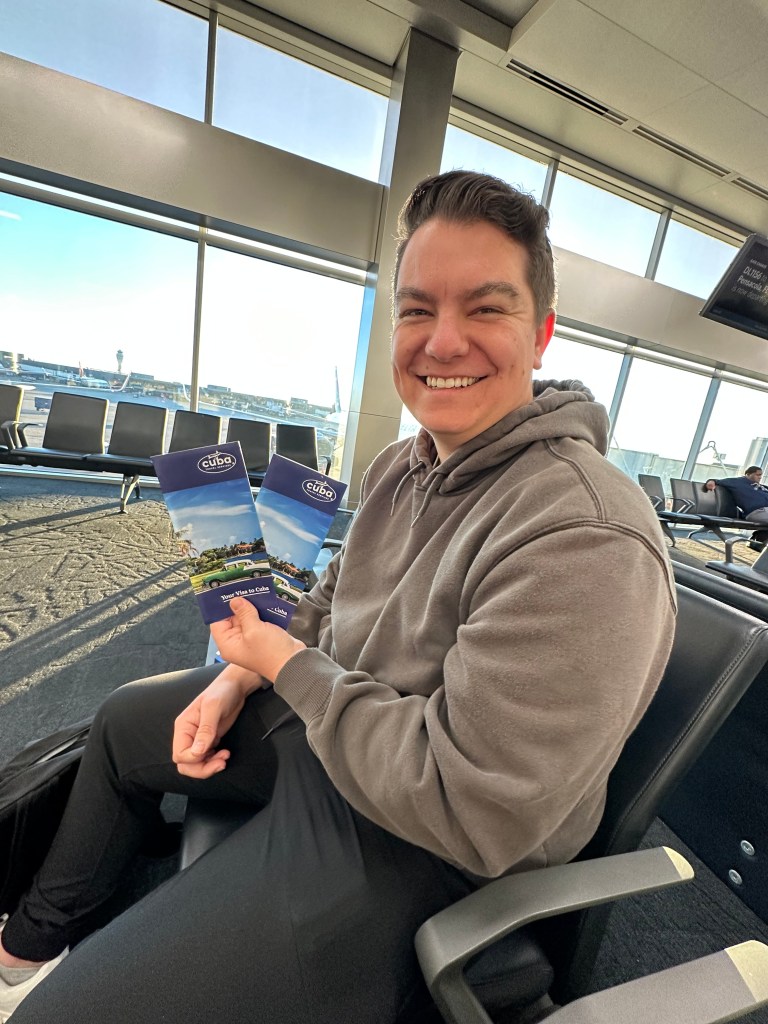
Arrival Experience: the airport process is… well… chaotic when you get to Cuba. Expect:
- Multiple checkpoints (documents, passport scan, security scan)
- Long waits for baggage
- Crowded, disorganized luggage areas
Pro tip: Carry-on only if possible. Lost bags are not uncommon—and recovering them can be complicated without phone service.
Getting Into the City
As a U.S. citizen, it is highly recommended to prearrange a taxi beforehand. Taxis are often classic cars (which is part of the experience), but communication can be tricky without service. Additionally, depending on how you travel to Cuba, this might regulate the type of taxi you can take. More on that below.
Know Before You Go (U.S. Travelers)
This is the most important section for Cuba—planning ahead is a must, as technically, U.S. citizens cannot travel to Cuba for tourism. If you are from Canada, on the other hand, tourism travel is allowed.
Required Travel Checklist
Cuban Visa: Order in advance (recommend ~2 weeks in advance) or purchase at Miami International Airport. Must be filled out by hand before arrival.
Passport: Must be valid for at least 6 months beyond your travel dates.
Travel Category (Visa Reason): U.S. citizens cannot travel to Cuba for tourism, but there are (at the time of this writing) 12 authorized categories of travel. You must select one when booking your flight and be able to justify it if asked. The 12 categories are:
- Family Visits – Visiting close relatives who are Cuban nationals or residents
- Official Government Business – Travel for U.S. or foreign government officials
- Journalistic Activity – For reporters, media professionals, or supporting staff
- Professional Research and Professional Meetings – Work-related travel for research or conferences
- Educational Activities (People-to-People Travel) – Organized educational exchanges
- Religious Activities – Travel for religious groups or missions
- Public Performances, Clinics, Workshops, Athletic Competitions, and Exhibitions – Cultural or sporting participation
- Support for the Cuban People – The most common option:
- Requires engaging with local Cuban businesses and individuals
- Plan for ~8 hours of daily activities. (We booked all of our activities through our Air BnB host. You can find plenty of hosts that will help schedule activities to meet this requirement)
- Avoid government-owned entities when possible
- Humanitarian Projects – Activities supporting humanitarian efforts
- Activities of Private Foundations or Research/Educational Institutes – Work tied to organizations
- Exportation/Importation of Information or Informational Materials – Media, art, publications
- Authorized Export Transactions – Approved business/export activities
Recommendation: Most travelers choose “Support for the Cuban People” as it is the most flexible. Keep a printed itinerary showing your planned daily activities in case you are asked at customs. Additionally, you should keep receipts of your purchases and activities for up to five years after travel in case the U.S. government requests documentation or conducts an audit.
Note from Travis: this was the visa category I traveled with in 2020 and while I never had to show any proof (as Logan noted), I also took the “better safe than sorry” approach and saved lots of receipts.
D’Viajeros Form: Required entry form for the Cuban government—completed before arrival and scanned at the airport.
Travel Insurance: Required. Often included in your airline ticket—print proof just in case.
Note from Travis: when I visited in 2019, health insurance was required, not travel insurance, as was required for Logan. So check for updated requirements before you go, especially if there’s been a change in U.S. presidential administration…

Key Tips & Realities
Cash is Everything: U.S. credit/debit cards do not work. Bring plenty of USD (I recommend ~$2,000 for a long weekend just in case). This sounds like a lot, but it is better to have more than get into a situation where you cannot use credit cards in the country.
For reference: we spent about $400 total over three days for two people, not including lodging and activities. So $2,000 is more than enough if you get in a pinch.
Phone Service: U.S. phones technically work—but only on WiFi.
Best options:
- Use WiFi at your Airbnb/hotel
- Buy a SIM card (airport lines can be long), so plan ahead and purchase one online. We have used Ubigi in the past for electronic SIM cards. But also keep in mind that if your phone has to be unlocked so if you just bought that new Iphone and you are on a payment plan you probably wont be able to unlock your phone until it is fully paid off.
- Use WhatsApp for communication (AT&T and Verizon will not reliably work)
Navigation: Download maps ahead of time—street signs are inconsistent, and GPS is limited.
Tipping Culture:
- Not expected, but deeply appreciated
- A $20 tip can equal a month’s salary for some in Cuba
- Tip discreetly (handshake style), not in public
As a side note, everyone will prefer USD over Cuban Pesos. We exchanged USD into pesos through our Airbnb host; however, we later learned this is not technically legal (though common). It is recommended that you use banks or CADECA offices for currency exchange as a U.S. citizen. While you may get a better rate on the street, be cautious—this is a common place for scams.
Note from Travis: while I don’t remember folks preferring USD, Logan’s comments about bringing sufficient cash are for real. Americans literally cannot access money (ATMs or credit cards) in Cuba. So if you didn’t bring it with you, you’re screwed. I did not learn that changing cash “unofficially” is illegal, but our AirBnB host and taxi drivers were happy to do so and gave better rates than official channels.
Also note that there’s a special currently for tourists: Americans will get Cuban Convertible Pesos—they supposedly have the same value as local pesos, but your tourist status will be obvious.
Food & Water:
- Avoid tap water (okay for brushing teeth)
- Food is safe for tourists, but simpler than you might expect
Be Ready for “Tourist Pricing”: Small markups happen—it’s usually just a few dollars. Always ask prices before ordering specials.
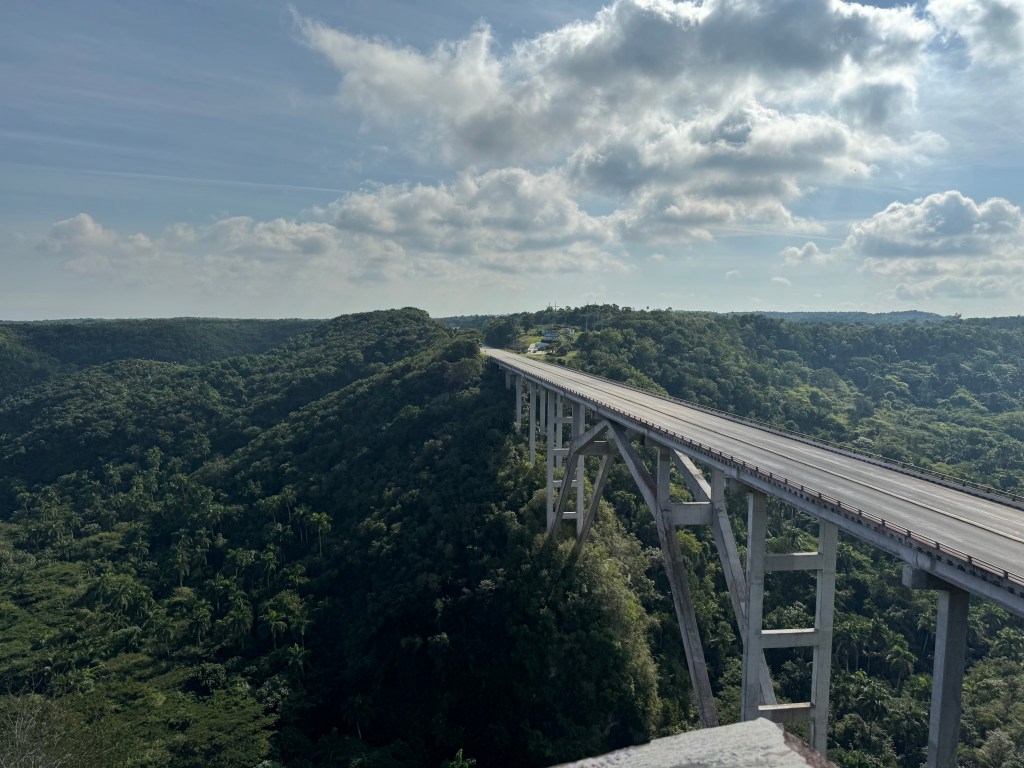
Sightseeing Highlights
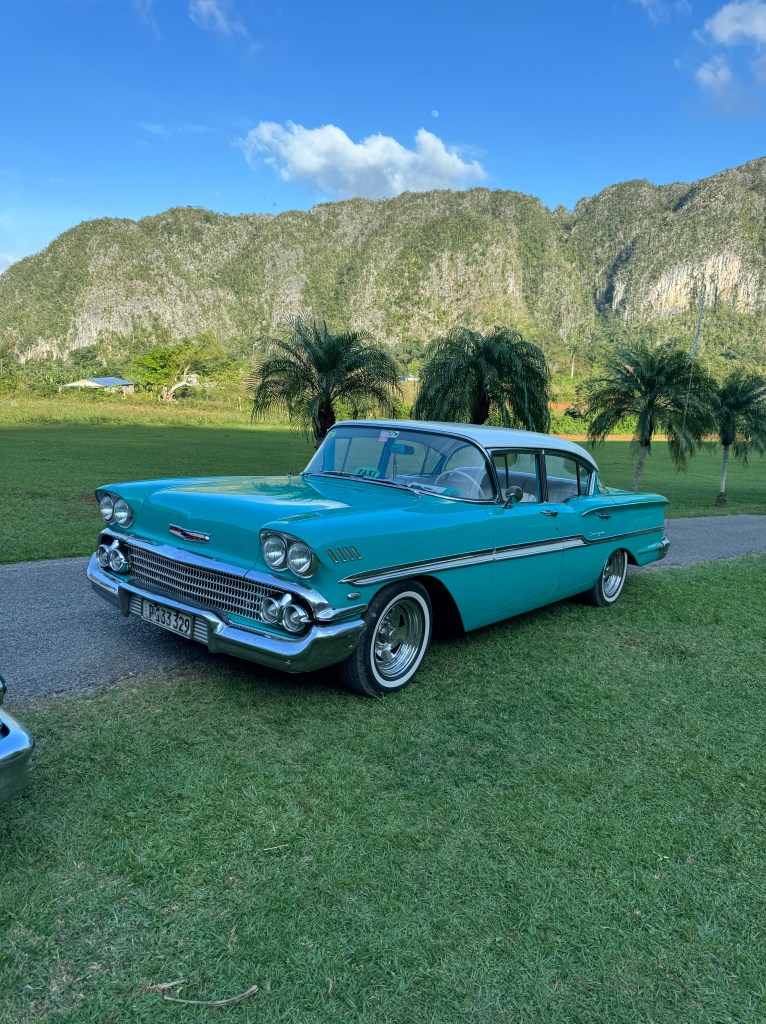
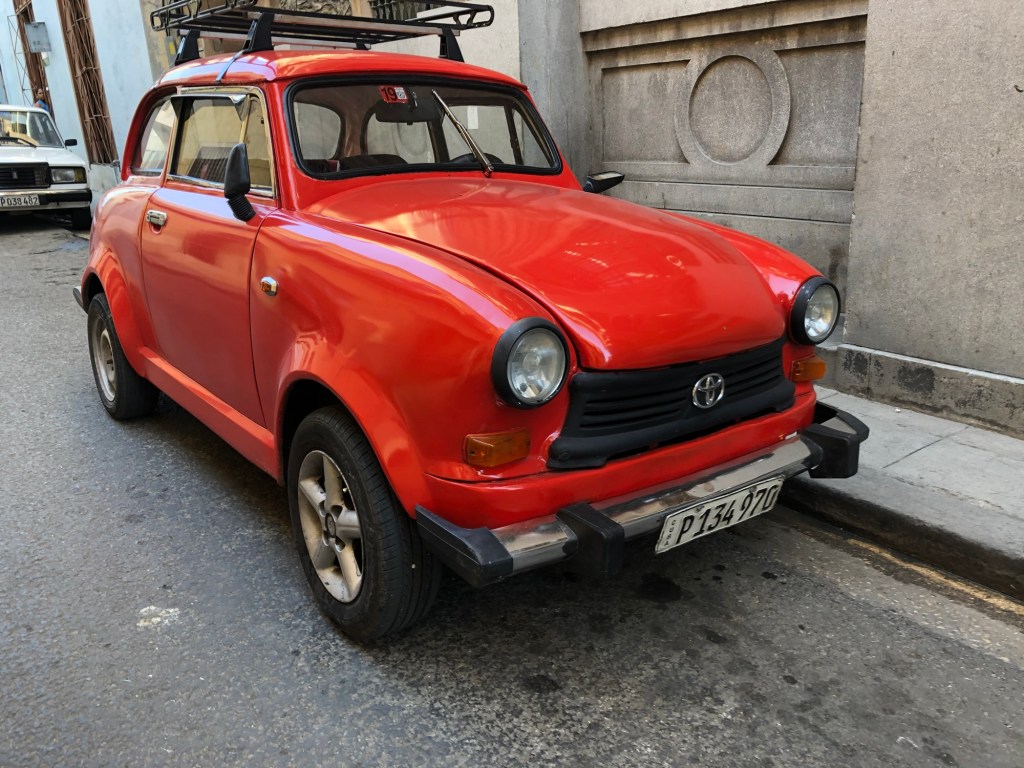
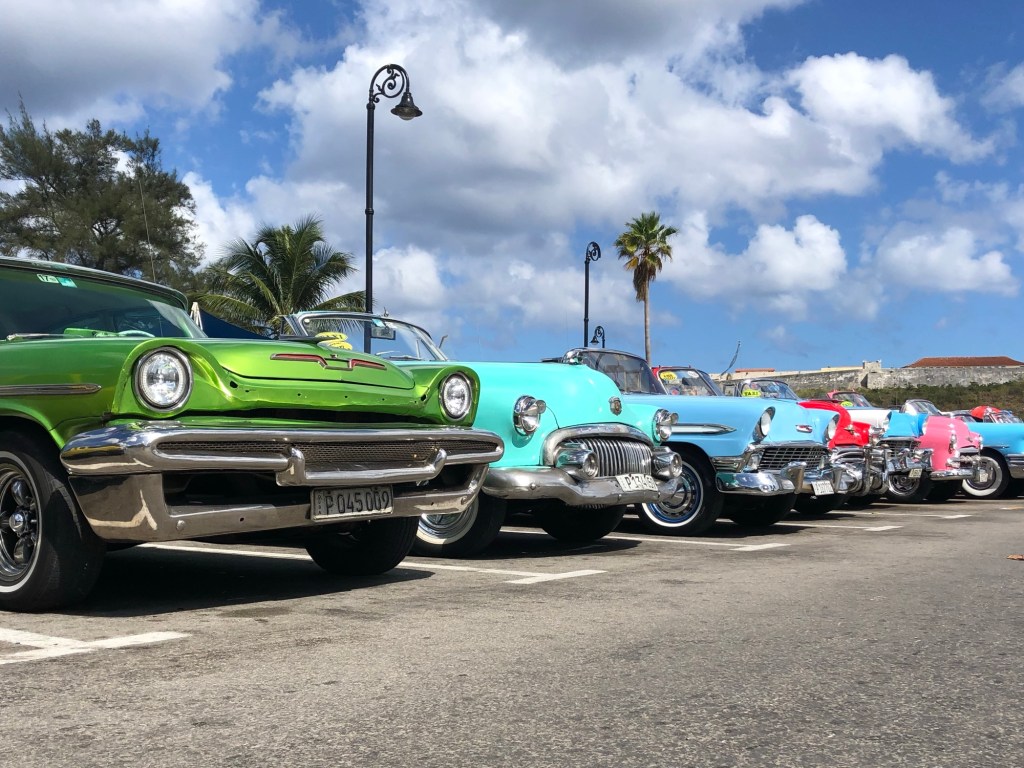
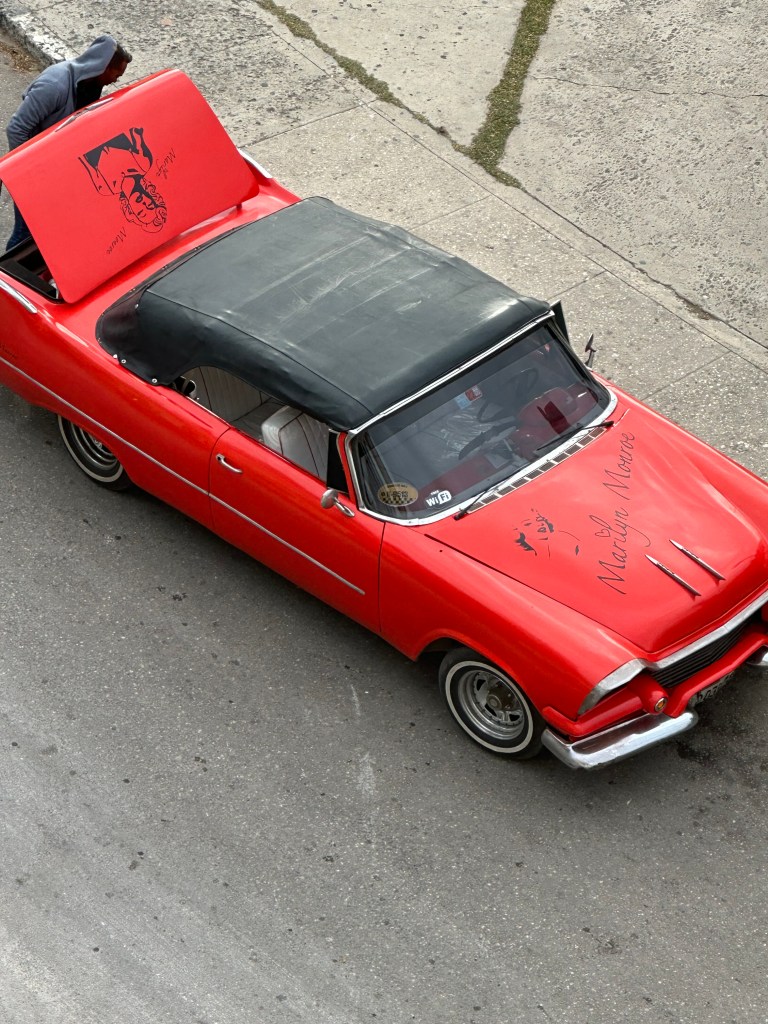
Classic Car Culture: From the moment you land, you’ll notice the cars—1950s Chevrolets, old Soviet vehicles, and a mix of everything in between. Riding through the city in one is part of the experience.
Note from Travis: while 90% of our taxi rides were great, the ride one night in a 1980-something LATA was next level, and not in a good way. The handles for the window cranks were missing and the holes in the floorboard were a direct route for the car’s exhaust. Lesson learned? If you don’t feel safe or comfortable, give a nice tip and get out. The tip will mean the world to your driver and you’ll feel better moving on.
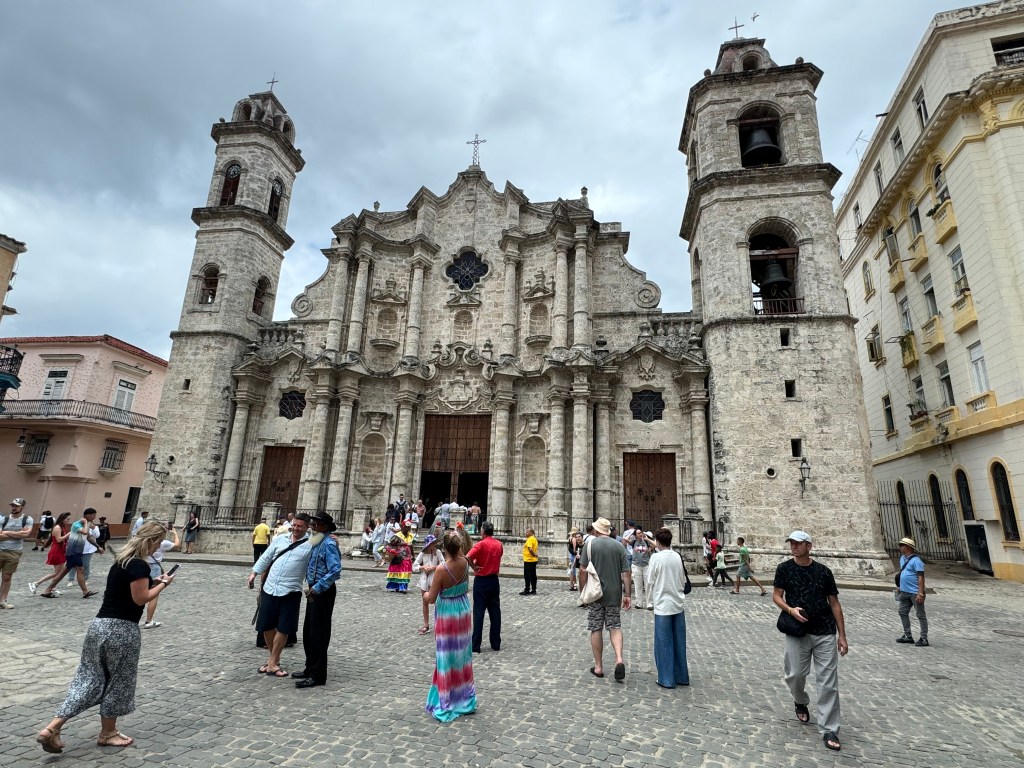
Havana City Tour + Local Guide: One of the best things we did was a guided walk through Old Havana with a local. We learned:
- How education and jobs are assigned by the government
- Average monthly salaries (shockingly low)
- The realities of daily life for locals
It added a completely different perspective you won’t get just walking around.
Note from Travis: 100% agree on this! We got a tour with Jose and it was one of the highlights of our trip. Would absolutely do it again! We learned a ton about Cuban culture, got to see places we wouldn’t have thought to check out, and asked lots of questions—the answers to which were enlightening.
Salsa Lessons: We took a private salsa class with a local couple—super fun and very beginner-friendly.
- Focus on timing (123…567 rhythm)
- Learn spins, partner work, and group dancing
- Highly recommend—it’s part of the culture
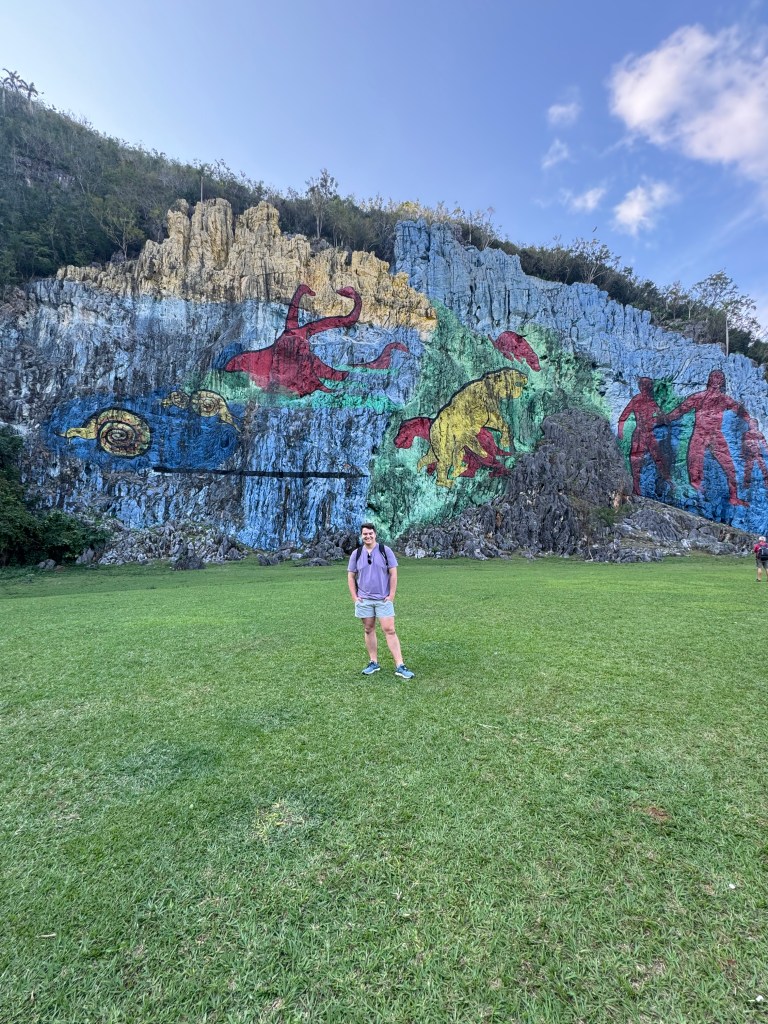
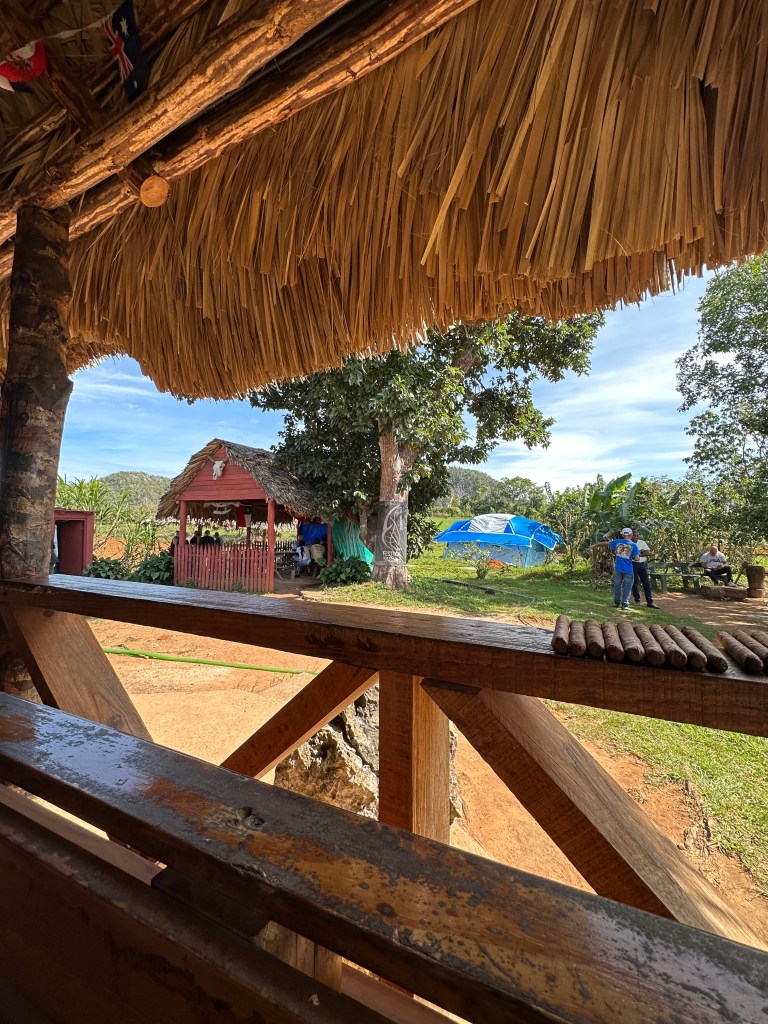
Viñales Valley Day Trip: A full-day trip out to Viñales Valley is worth it. Highlights included:
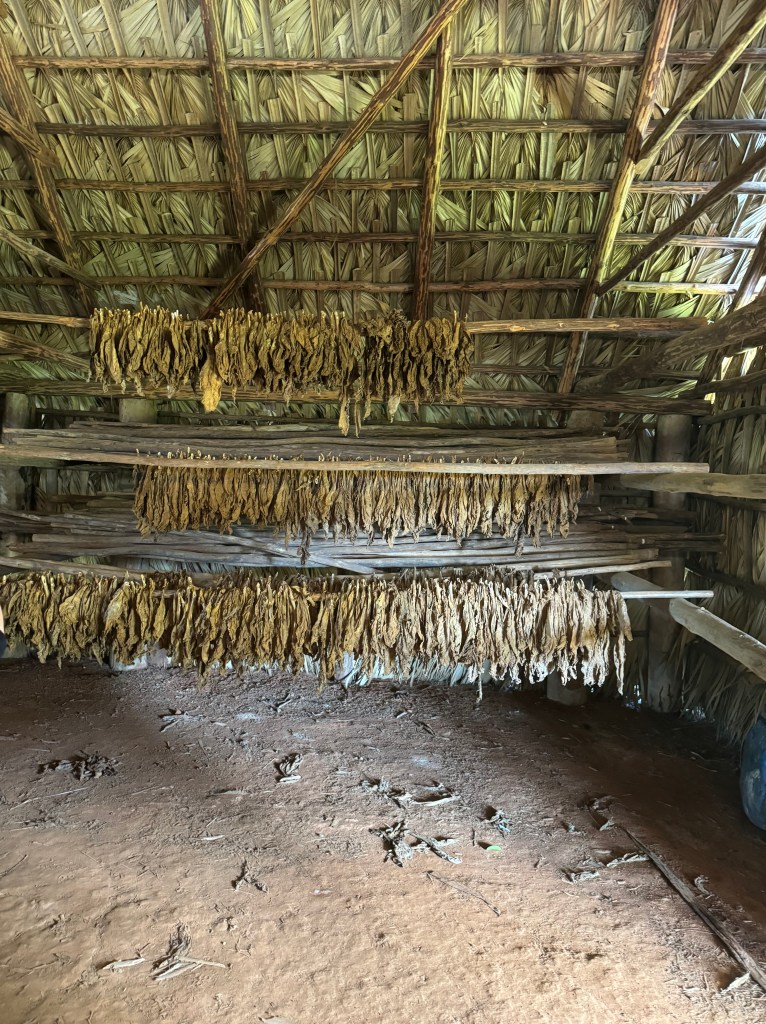
- Tobacco Farm Tour: Learn how cigars are made (and try one). Even if you don’t smoke cigars, I highly recommend adding this to itinerary.
- Cueva del Indio: Cave + short boat ride
- Mountain Views: Unreal scenery—feels like something out of a movie
It’s a long day (2.5–3 hour drive each way), but one of the most memorable parts of the trip. Also note that each “county” in Cuba has checkpoints set up entering an leaving each area. You will see a small tower/building on the side of the road with 2-5 armed police in and around the building. It is very normal for random stops. This can be very overwhelming in the moment (It certainly was for us). However, the taxi that you rented will have the correct papers to travel in and out of each “county”.
Beach Day (Plan Ahead): We did a full beach day—but it turned into a 3-hour drive each way, much longer than expected. The water was beautiful water and the beach had a relaxed vibe. But logistics can be unpredictable so expect some improvisation along the way
Eating and Drinking
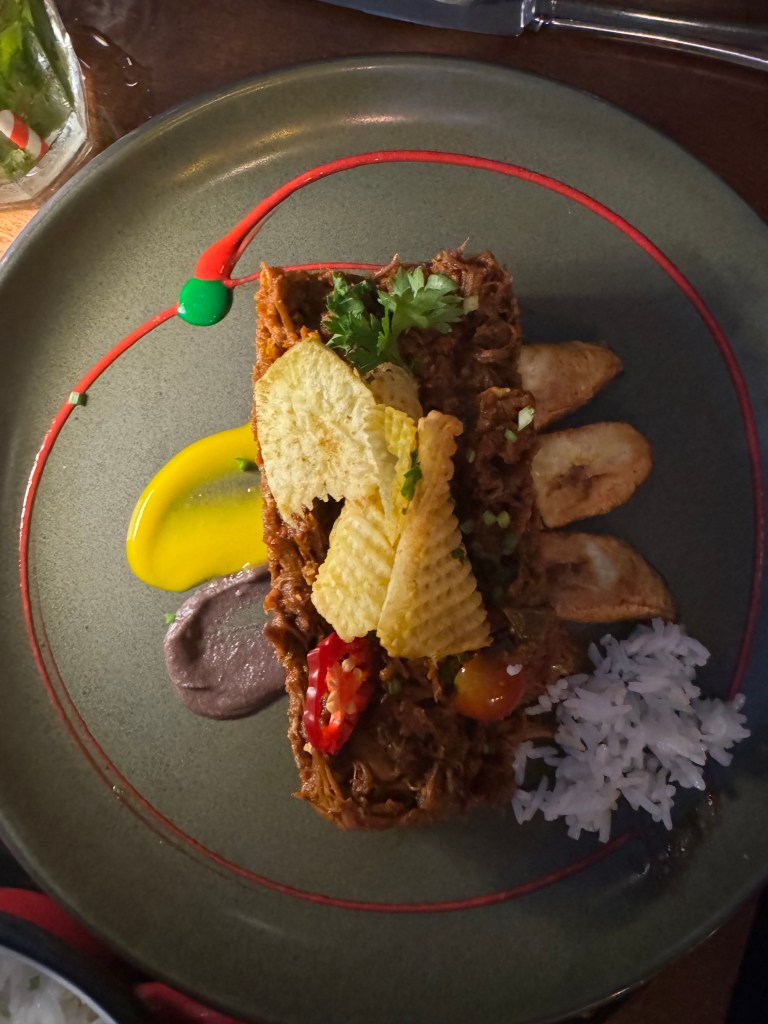
Food in Havana is more about the experience than fine dining—but there are some standout spots:
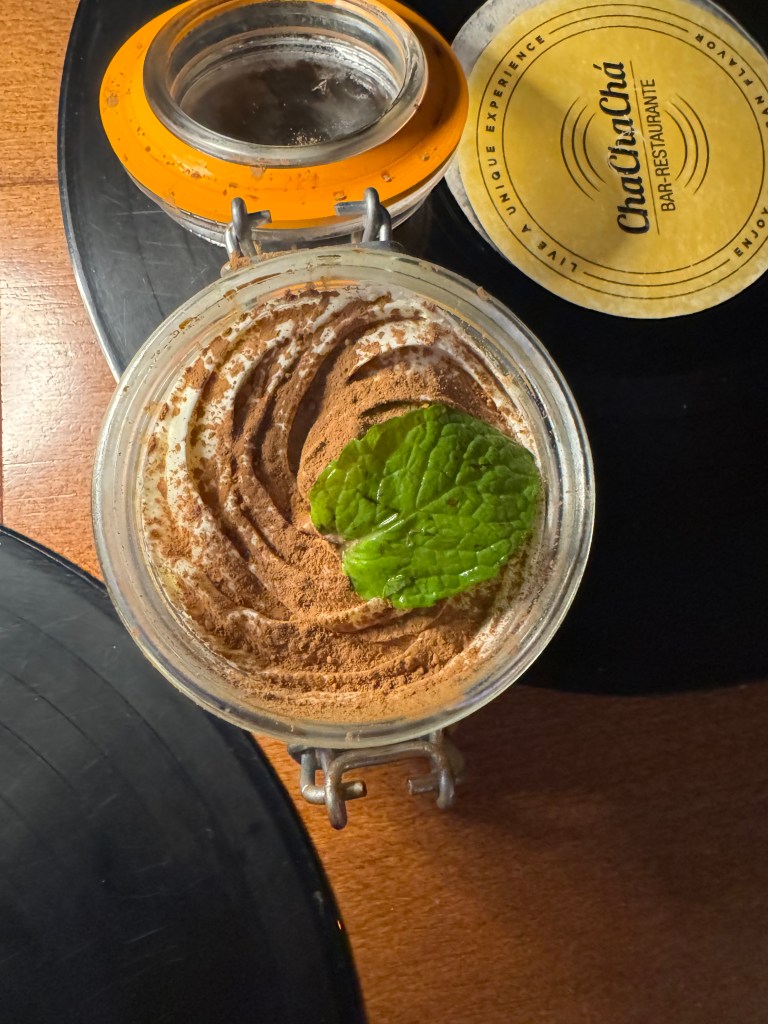
- La Cha Cha Chá
- Kilómetro Zero
- Local rooftop spots (often best found with a guide)
General Take: Food is simpler than other destinations and ingredients can be limited, but when you find a good spot—it really stands out
Nightlife
Nightlife in Havana is lively, social, and centered around music.
- El Floridita – Famous for daiquiris and known as a favorite of Ernest Hemingway
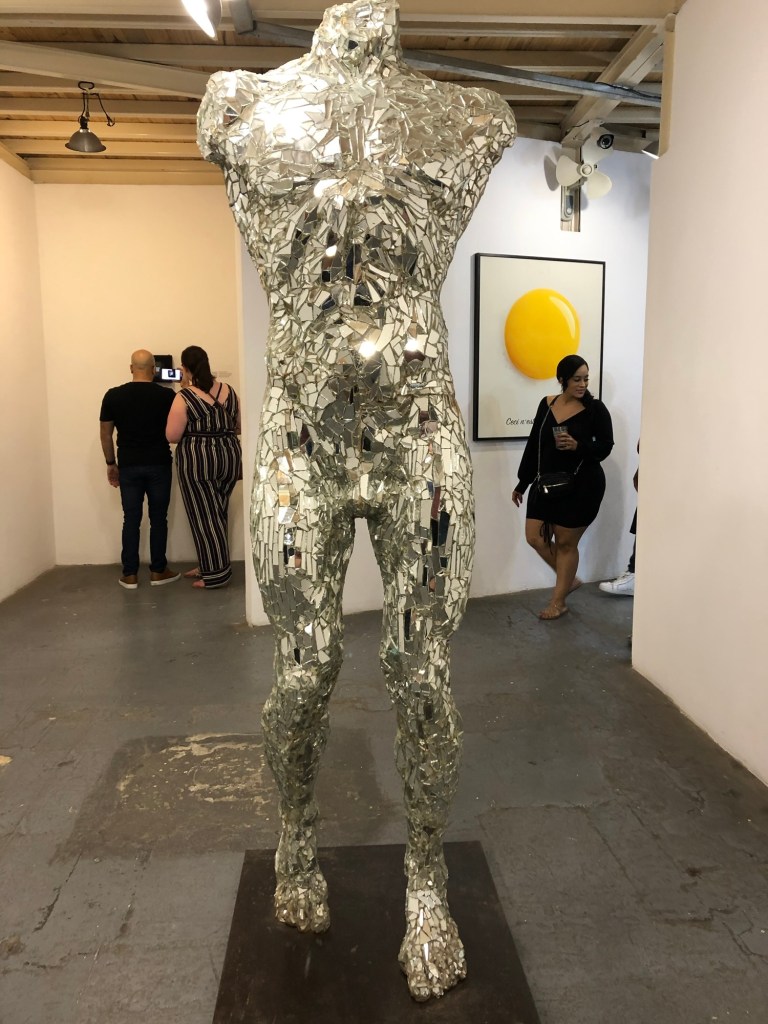
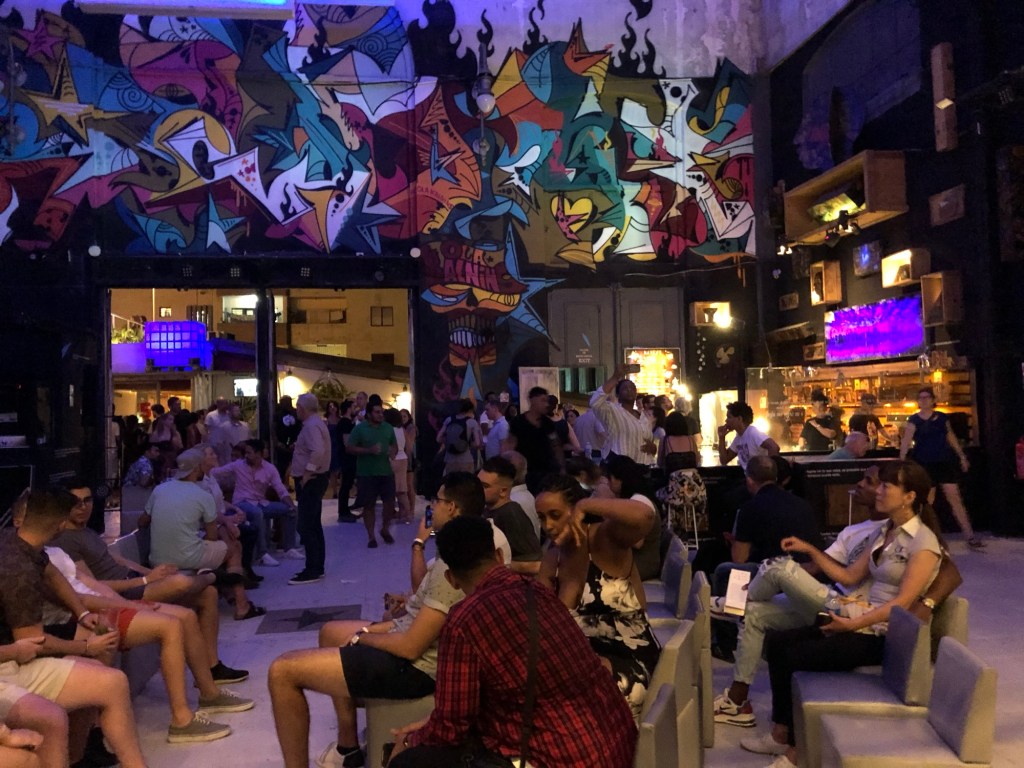
- Fábrica de Arte Cubano – A mix of art gallery, music venue, and nightclub
General Vibe: there’s live music everywhere, salsa dancing is a big part of nightlife, and it’s very social but less structured than U.S. nightlife scenes.
Note from Travis: Fábrica de Arte might have been the highlight of my entire trip. The art, music, and cocktails were uniquely Cuban, but the fun and celebration there didn’t have borders.
Lodging
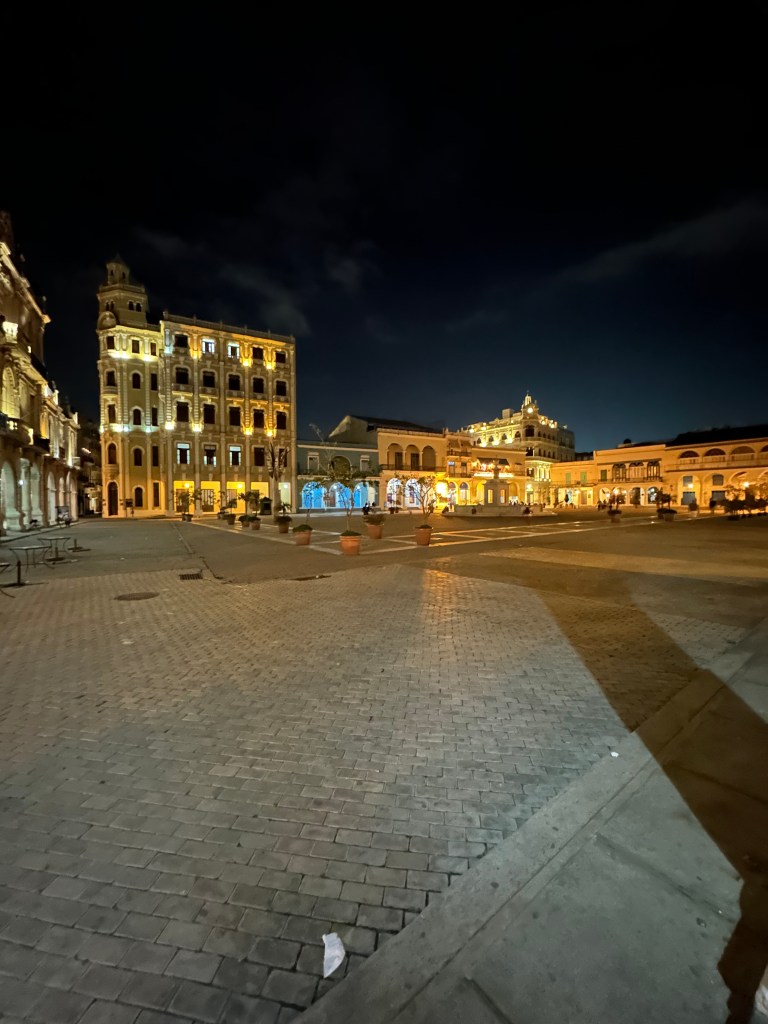
Staying in Havana is different than most destinations due to regulations.
AirBnB (Recommended) supports local Cuban people (and fits visa requirements), often includes breakfast and host support, some provide phones with local SIM cards
- We (Logan and Sam) stayed at this AirBnB location and I would highly recommend them again and we would stay here again when we come back. This made out trip 10 times easier for us and also went above and beyond to help us find out luggage when it was lost at the airport.
- Travis and JC stayed at this AirBnB in Old Havana and would also recommend it and stay again. The location (different than Logan’s) was very convenient to the city center and our host was excellent too.
Hotels are generally not recommended for U.S. travelers due to restrictions and government ownership.
What to expect: Hosts may help with transportation, currency exchange, and planning; service can feel very personalized; and interiors can be surprisingly nice compared to the exterior.
Final Thoughts
Havana is not a typical vacation—it’s an experience. Things won’t always go smoothly (lost luggage, long drives, confusing logistics), but that’s part of what makes it memorable.
If you go in prepared—with cash, flexibility, and the right expectations—it’s one of the most eye-opening and unique trips you can take.
 Upper Left Traveler