As I write this post, Oregon is having a handful of unusually sunny January days which always heightens my desire to get out and explore (I rarely need much extra motivation, but still…). Although the calendar says it’s winter for a couple more months, I’ve been thinking about spring and newbies considering diving into the RV waters for the first time.
For folks considering a purchase of a new camper, here are the five top things I was fortunate enough to figure out or wish someone had told me before I started camping. For LGBTQ campers, be sure to check out my camping tips to help ensure safe and fun times off the grid.
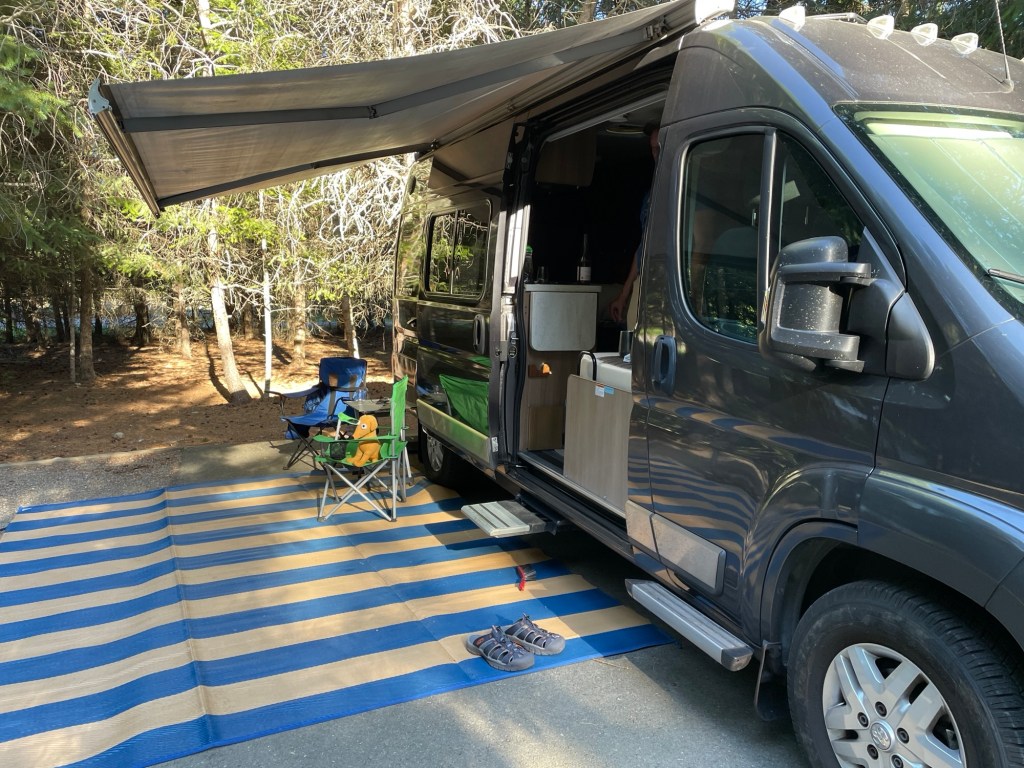
1: Rent Before You Buy
Oh, I get it. You’re excited to join the club and if you’re in, you’re ALL IN. But we’re not talking about a new outfit here. RVs—even used ones—cost some serious coin. So it pays to really know what you want.
Don’t worry about renting exactly the model you might buy (or think you want to buy), but try for something similar and definitely pay attention to the details while you’re out. Sites like Outdoorsy or other local rental companies offer a lot of specialized options, but even a basic Cruise America rig can offer valuable insight, as every type of RV comes with its set of compromises.
Want lots of space inside? Done. But that typically means a big RV that can be tough to through town or maneuver into tight campsites. Also: the bigger the rig, the bigger thirst for fuel prices.

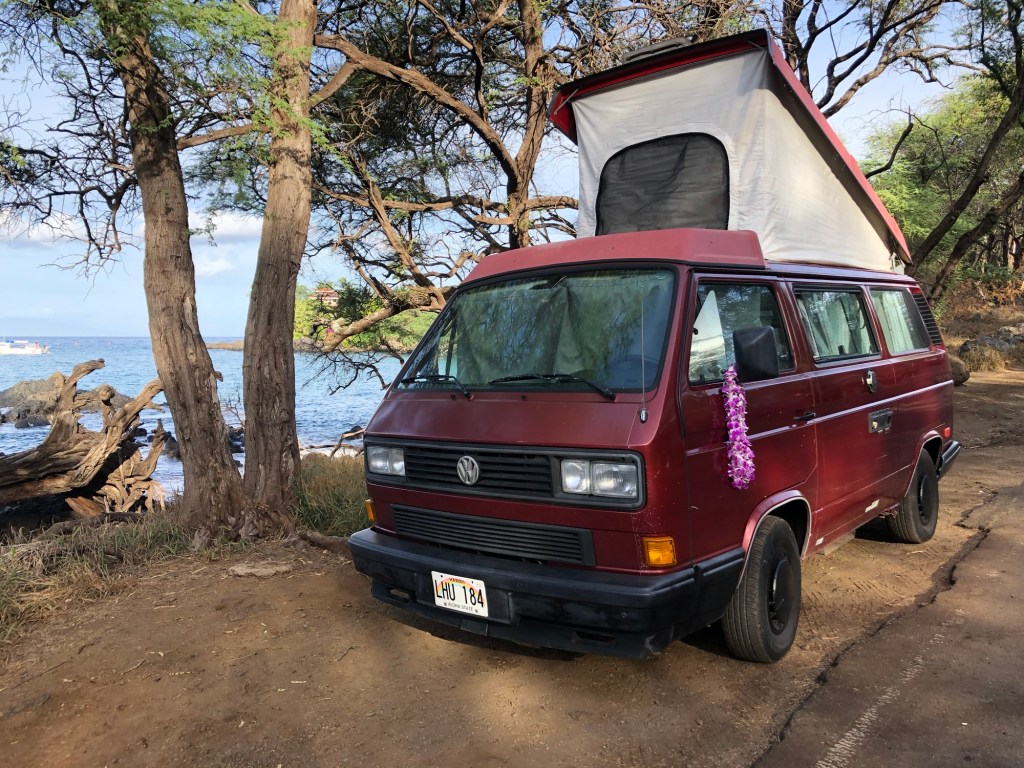
Want a smaller RV, like the VW Camper I rented in Maui or our current camper van? That’s cool too, but now interior layouts and storage space takes on greater importance. The dining table/couch that folds out into a bed may be an efficient use of space, but do you really want to assemble and disassemble it every time you need a spot for dinner or game table or a nap? That was a deal-breaker for me with certain layouts.
Or maybe you think you’re Team Trailer. Nice. A trailer has some serious advantages.
Need to run into town for supplies or load up the crew for a hike? Great – just unhook and go. No need to put everything away or strap everything down. And cost is a real consideration too—trailers can be much less expensive than a motorhome. But don’t forget to factor in the cost of a tow vehicle if you don’t already have one suitable for a loaded trailer’s weight. As well, don’t expect to get anywhere near your regular MPG once you have a trailer in tow, even a small one. The Jeep pictured below got 17-20mpg normally, but averaged 8 when towing a small trailer. Not only did that get expense, but also meant stopping often to fill up.
And then there’s this: can your relationship survive backing that trailer into a tight campsite? See the photo below from a trip in 2013. Laugh now, but that struggle was real—and I practiced at home ahead of time!

2: Figure Out Where To Park It
RVs need to be stored somewhere when you’re not out enjoying the great outdoors. It seems simple enough, and hopefully in your case it is. But that’s not true for everyone.
First off, be sure to read your HOA documents and city rules closely. A lot of homeowner associations these days have absurdly strict rules about RV parking. And don’t assume your campervan can skirt the rules either, just because it’s a van. The Not In My Back Yard crowd may not even want your van in your backyard.
Read up about street parking too. I love Hood River where boondocking on the street is allowed (and there’s an inexpensive dump station!) but in many cases, even if you’re not in a HOA, local codes may prohibit RV parking on city streets. For instance, Portland, Oregon’s city code prohibits RV parking on city streets for more than eight hours (or in some circumstances, two hours), regardless of whether parking for any other type of vehicle is allowed for a longer time period. And Portland doesn’t care if you have a campervan like mine—it’s about how it’s registered, not if it fits in a street parking space.

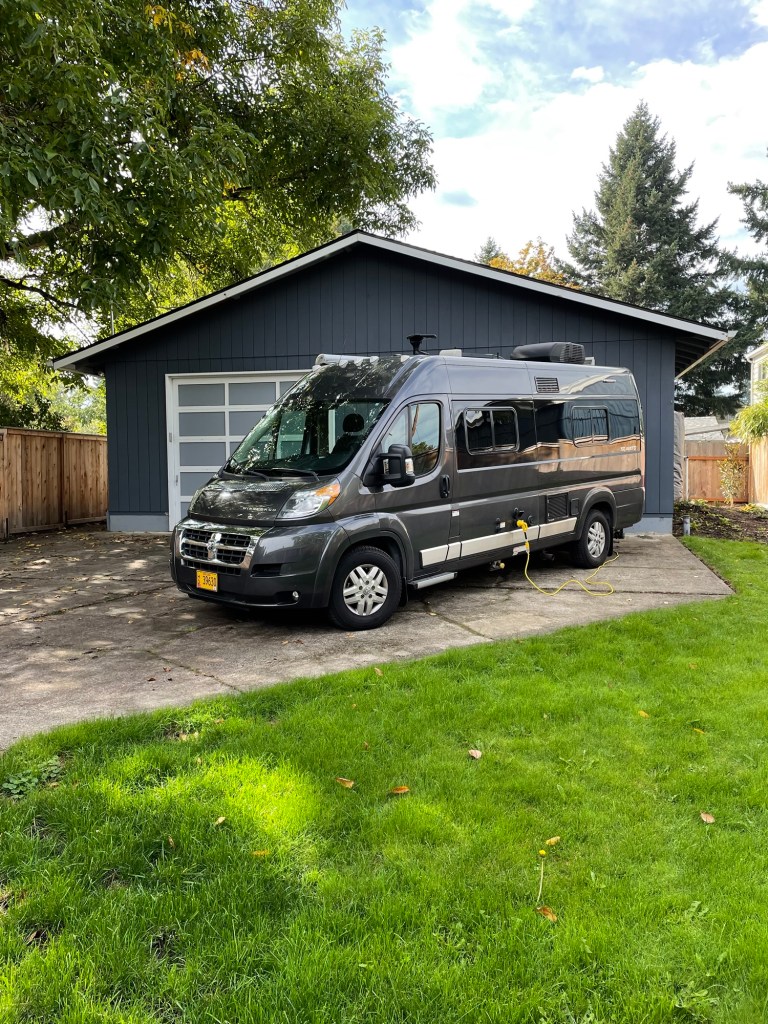
If the above situations apply to you, you’re gonna have to find a place to store or hide your rig. If you’ve got a garage or carport, great. But check to be sure it all fits. I’ve got a 9’ 0” garage door and a 9’ 4” van. Hmmmph. Many RV storage lots can run $200 per month or more. That adds up.
3: Plan for Where to Stash Your Stuff
Whether you’re pulling a trailer, glamming it up in a diesel pusher, or tossing a sleeping pad in your Subaru, you’re going to need to figure out what you’re bringing, find a way to keep it from going on an adventure of its own when you hit a bump or take a corner, and ensure you can find your gear when you get to camp.
My favorite go-tos are plastic bins. They’re durable, the clear ones let you easily see what you’ve packed in them, and they can serve double duty as a camp table. But anything will do such as reusable grocery bags, milk crates, or just a cardboard box. Don’t overthink it, but do pause for a moment to consider what goes where and how to find what you need. Maybe it’s key to keep the coffee and booze handy, for instance. And if you’re bringing anything breakable, make sure it’s secured so your prized wine glasses don’t bite the dust.


4: Start Easy, Like Sunday Morning
I wasn’t really talking about Lionel Ritchie, even though every road trip deserves good tunes. Where I was going with this was: start out easy. Read the manuals. Test everything in your driveway or with a more experienced buddy.
Does the stove work? Is the fridge cold? Can you fill the water tank? Where is the switch for the awning (or the lights, for that matter)? Where do I put the table when I fold out the bed? How far does this slideout really slide out?!
Once you’re ready to move past the driveway, plan something close for a short first trip. Maybe even invite some helpful friends for a camp out. Strength in numbers, baby. Because there are few things more frustrating than planning the perfect epic trip and then having a minor inconvenience throw everything off course.

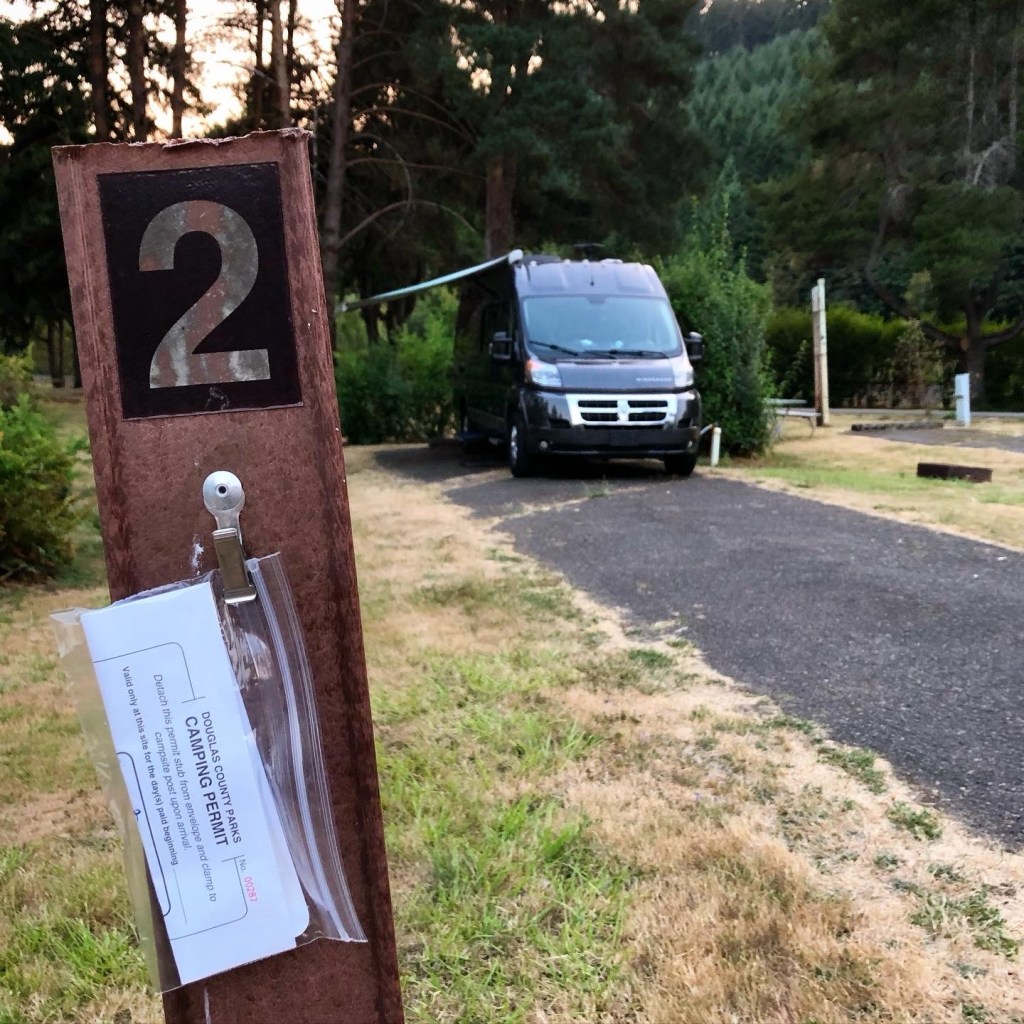
5: Relax. Something is Going to Break.
See also, Tip No. 4. But really. Budget for maintenance of your future RV, and remember you’re driving your home 65mph into the wind. In an earthquake. With a downpour. Or in a desert. Or in a snowstorm. Something will break. And something else will fail to work how you expected.
First: Take a deep breath. Relax. If you’re not yet settled in your campsite, pull out of the way of the other campers. Turn off the ignition. Don’t let someone else rush you. Get out and walk the campsite. Calmly ask your partner to find the camp host and get some firewood. (That’s camping talk for: you are not helping here. Please disappear until I’ve had a moment.)
After all that, and not to play Captain Obvious, but remember where you stashed your manuals (after you read them in the driveway, of course). Is there a switch that needs to be flipped? A plug that needs to be plugged? If you have cell service, check the interwebs. Is there a post or video that can help with troubleshooting? Beware, of course, because everyone on the internet has an opinion. But they can be helpful too
And when all else fails, figure out how to be ok when everything’s not ok (and make notes to plan for issues next time). Don’t have power at your campsite—or your batteries died like ours did on our Olympic Peninsula trip? No worries. Cook dinner over the campsite fire pit and have a candlelight meal. No water? There’s always that wine we brought! (And the Advil + coffee for tomorrow).


Bonus Tip: Pack a First Aid Kit
Not to go all Boy Scouts on you, but this is an easy one. Get a compact kit with bandages, antibiotic ointment, cortisone cream, some cleansing wipes, maybe some tweezers. This will take up about 0.001% of your space, but will inevitably come in handy when you or your camping buddies stumble through some poison ivy. Or someone burns their thumb getting a perfect sear on that tri-tip. The possibilities are endless, but a basic kit can help wonders.
Now go have fun out there in the great outdoors. It’s a wild world out there. Have a great time with it!
 Upper Left Traveler