When it comes to travel in Europe, Oktoberfest is an iconic experience unlike any other and with gay events like Rosa Wiesn and Prosecco Wiesn, it’s a great LGBTQ event too.
Oktoberfest is something that millions of people are keen to experience—7.2 million in 2023. Compare that to Munich’s regular population of around 1.5 million. And many fest-goers do it almost religiously every year. I was somewhat prepared for this before our trip, but not fully ready for the scale of it. Check out my full Munich post for info beyond the Wiesn, too!
Here’s what I knew beforehand—and what I wish I’d known.
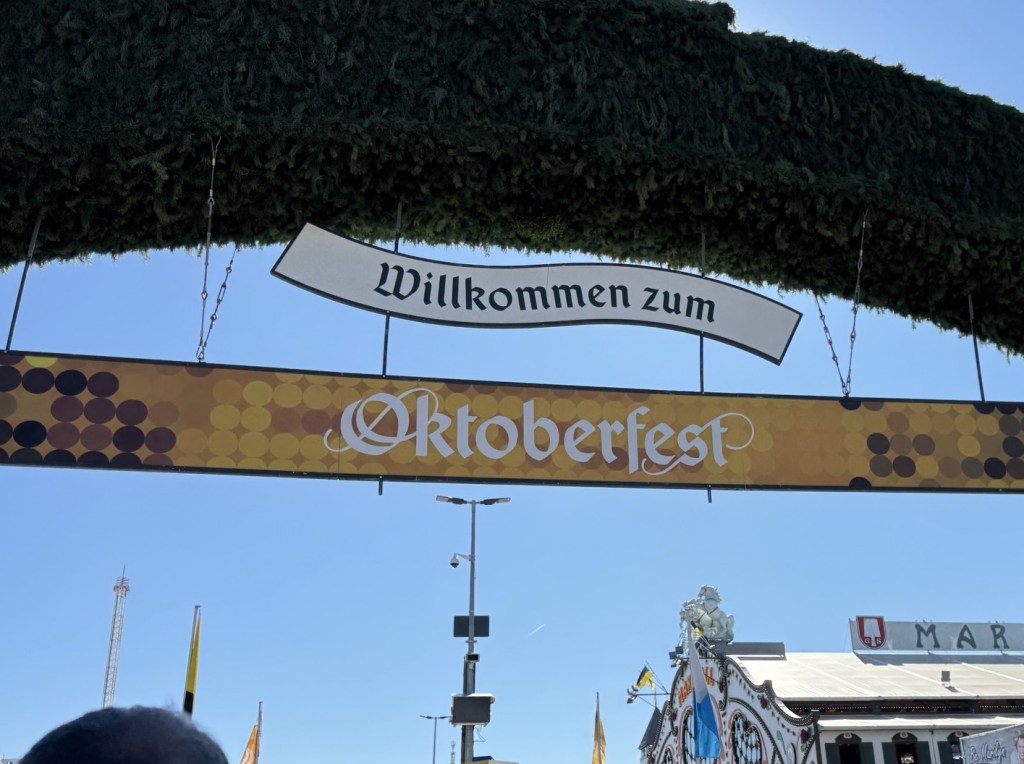
Oktoberfest Basics
Running from late September through the first Sunday of October, Oktoberfest (also referred to as Wiesn for the festival grounds) started out as the celebration of the wedding of Crown Prince Ludwig of Bavaria marrying Princess Therese of Saxe-Hildburghausen in 1810 and has continued on at Theresienwiese festival grounds ever since (with a couple notable gaps for WWII and COVID).
Although there is a LOT of beer flowing during Oktoberfest—7.4 million litres in 2024–but it isn’t just about beer. Outside of the beer halls, there are carnival rides, vendors for food (I don’t really get into the food in this post, so check out my main Munich post for that), trinkets, and souvenirs, and pretty much anything else you might find at a State Fair in the U.S.
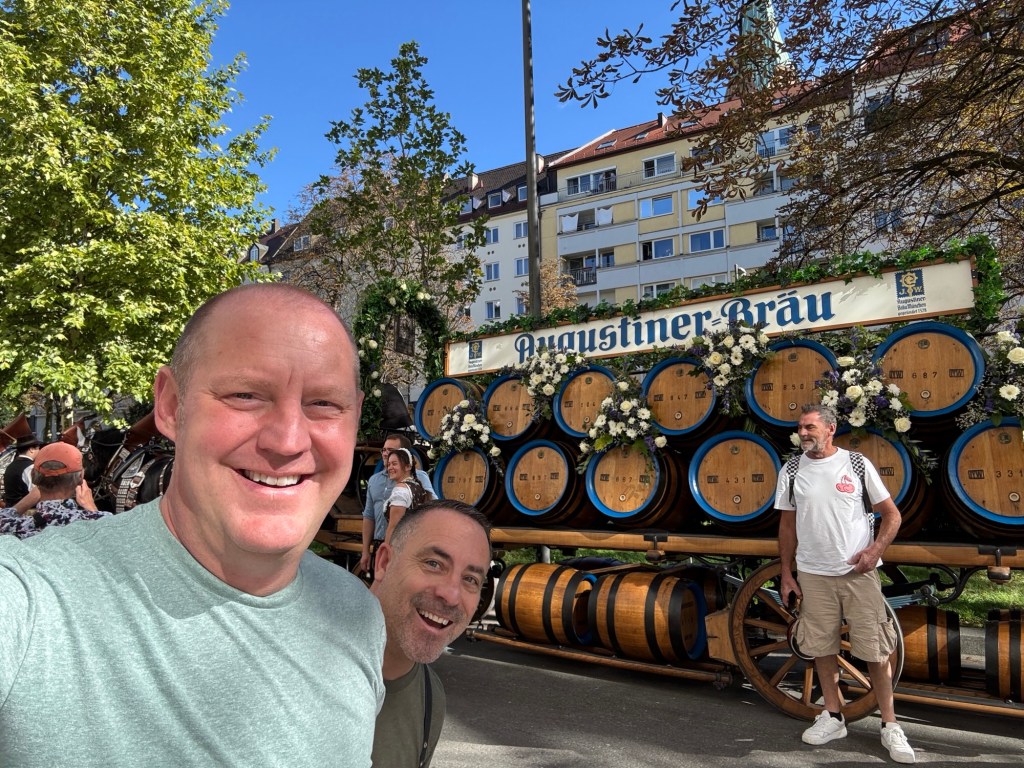
The opening day parade leading to the festival is an event too. Bands march with horse-drawn trailers carrying the ceremonial first kegs and others floats carrying distinguished and invited guests.

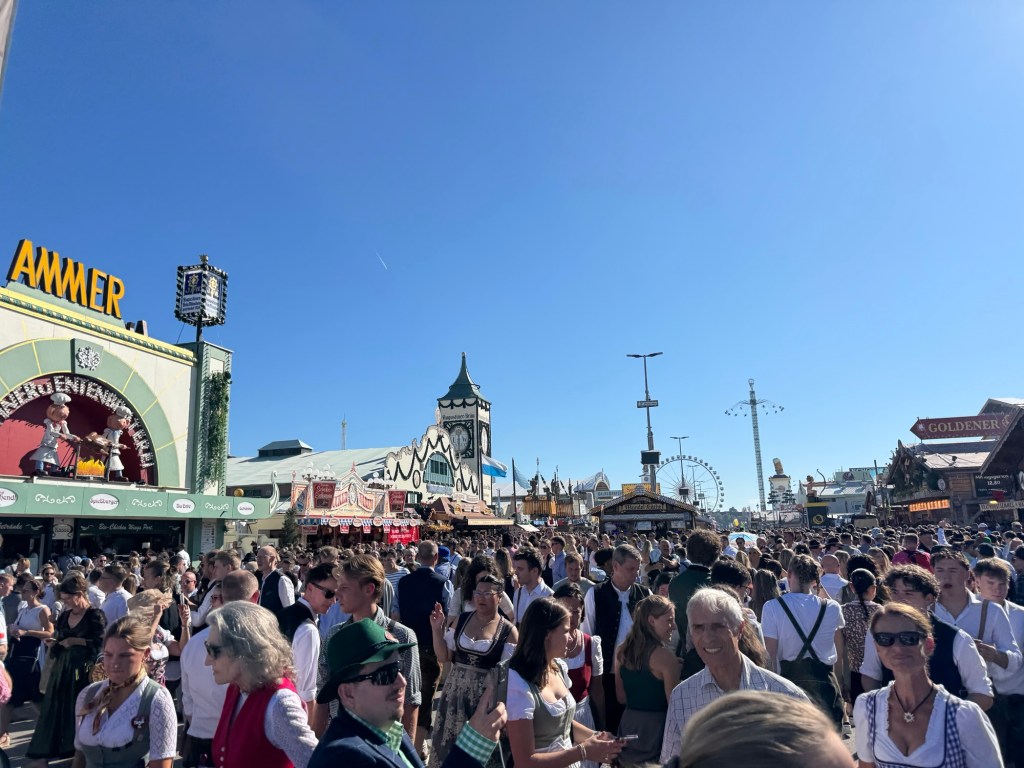
And there’s live oompah music everywhere—from traditional German songs, to John Denver and Neil Diamond (a lot of that!), to riffs on modern hits. Entering our first beer tent, the band was playing the 80s pop hit 99 Luftballons. Later in the weekend, it was Bon Jovi and Taylor Swift. You’ll hear it all
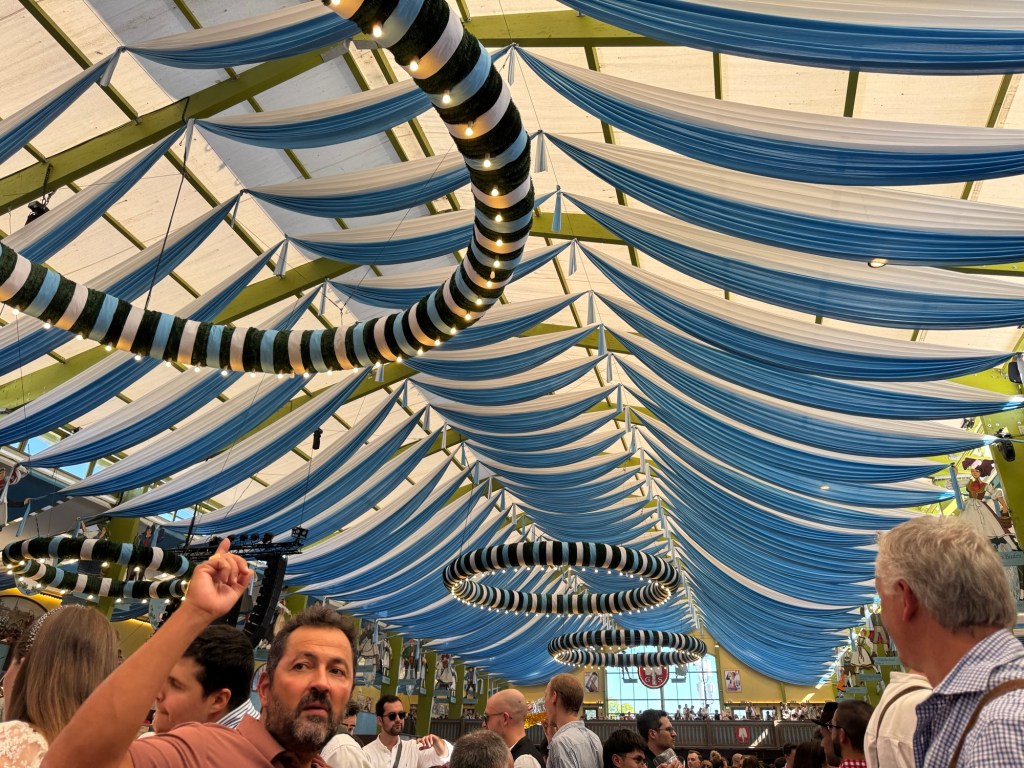
The beer tents and their adjacent beer gardens are the only place where alcohol is served and you’ll need to be at a table to be served; you can’t grab a beer and wander around. But (once again), plan ahead: the tents are packed. Reservations aren’t available for opening day, so when the gates open, festival-goers literally sprint into the halls for a table.
For other times, book reservations early on the Oktoberfest website or arrive when the festival opens to snag one of the tables that’s not reserved. Pay attention to the opening hours as well: servers adhere very precisely to the 10:30pm last call and staff will aggressively ensure everyone is out by 11:30pm.
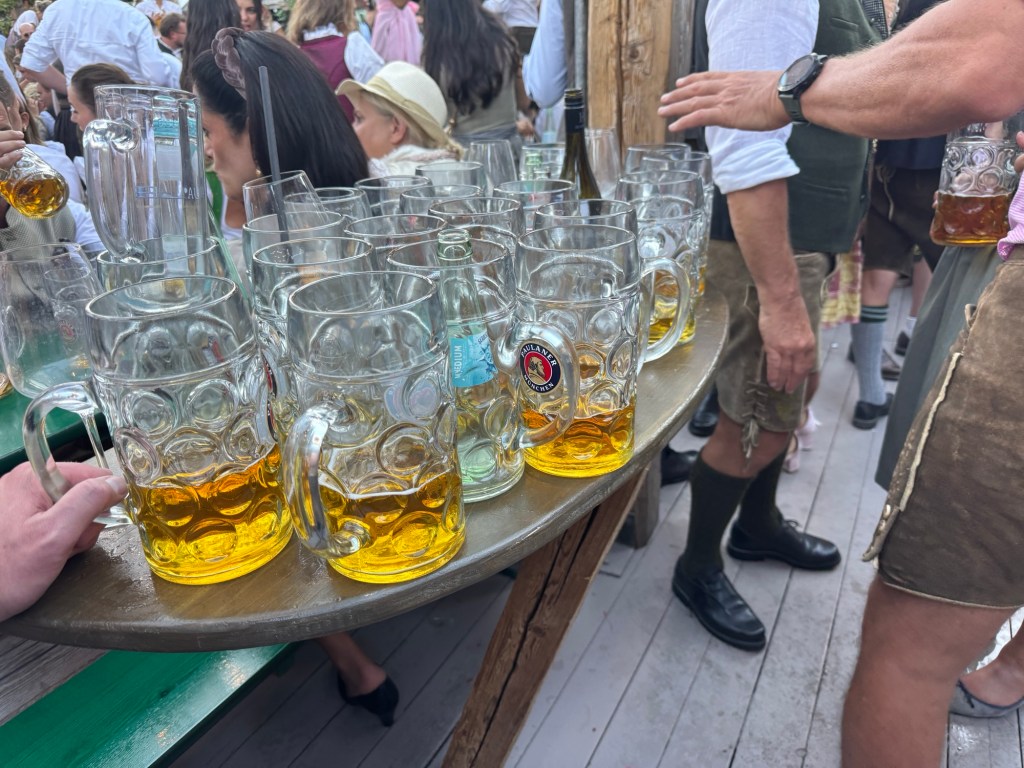
Keep in mind also: the beer tents are almost exclusively cash-only and a maß of beer is now about 15 euro each, so hit the ATM beforehand.

The Beer
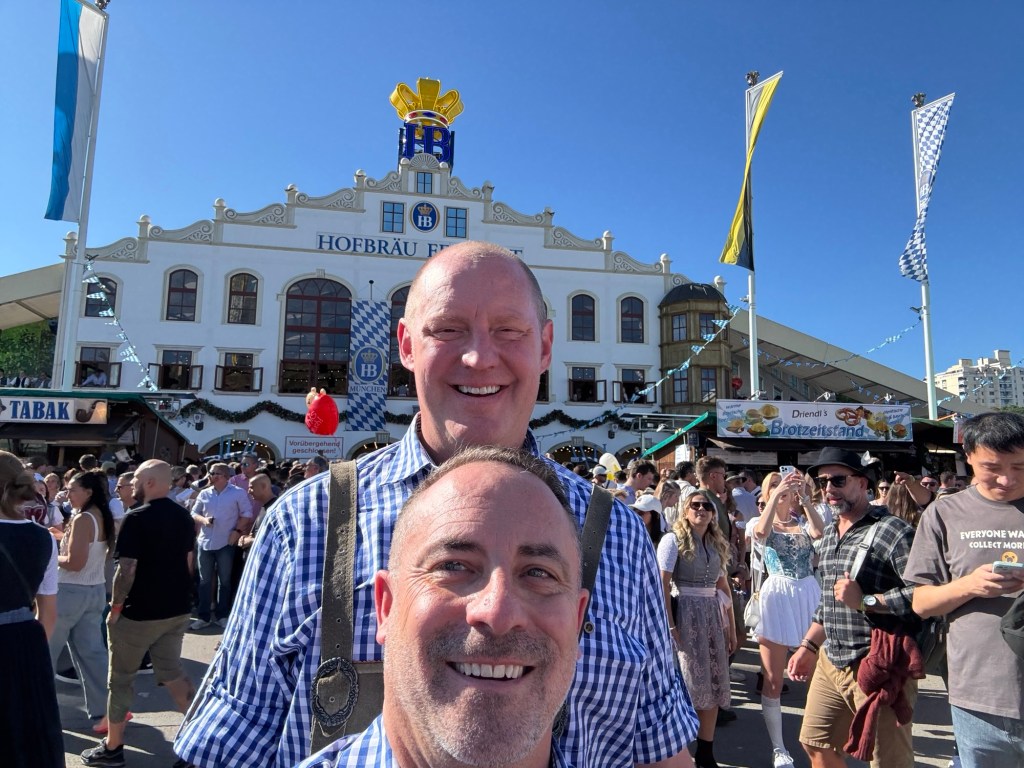
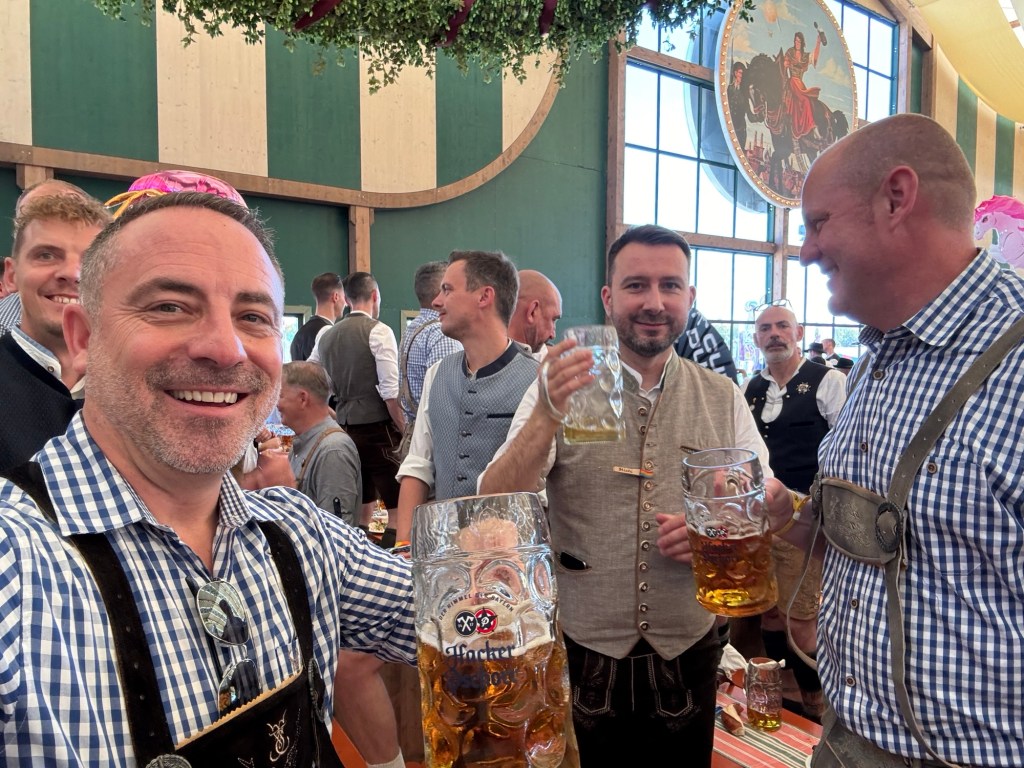
But of course, there are the beer tents: 14 large tents and 21 smaller ones—the list is on the Oktoberfest website. Go early on weekends (and maybe even on some weekdays) to get a table if you don’t have a reservation. There are six major breweries in Munich (the Club of Munich brewers) and these are the only ones allowed to serve their beers at Oktoberfest:
- Augustiner Bräu
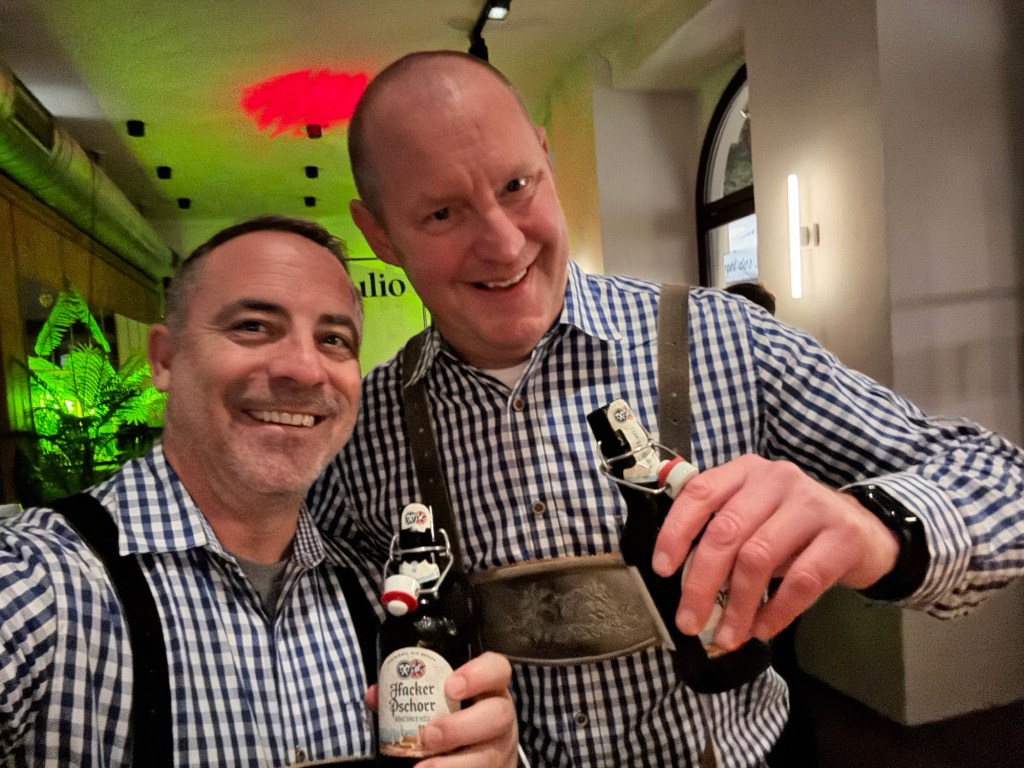
- Hacker-Pschorr
- Löwenbräu
- Paulaner
- Spaten
- Hofbräu München.
The beers aren’t just in the tents, however. Most of them also have outdoor beer gardens. Some of these tables are by reservation and some are first-come-first-seated, but remember, you’ll still need to be at a table to be served (save for some enterprising servers, if you’re without a reservation and you’re lucky).
At the Wiesn, it’s typical to over ein maß (pronounced to rhyme with boss), which will get you a full liter of beer in a very heavy-duty glass mug—perfect for hearty toasts and tired arms. If that’s not what you’re looking for, be sure to specify – most beer tents also serve smaller sizes, lemonade, and other options.


LGBTQ Oktoberfest
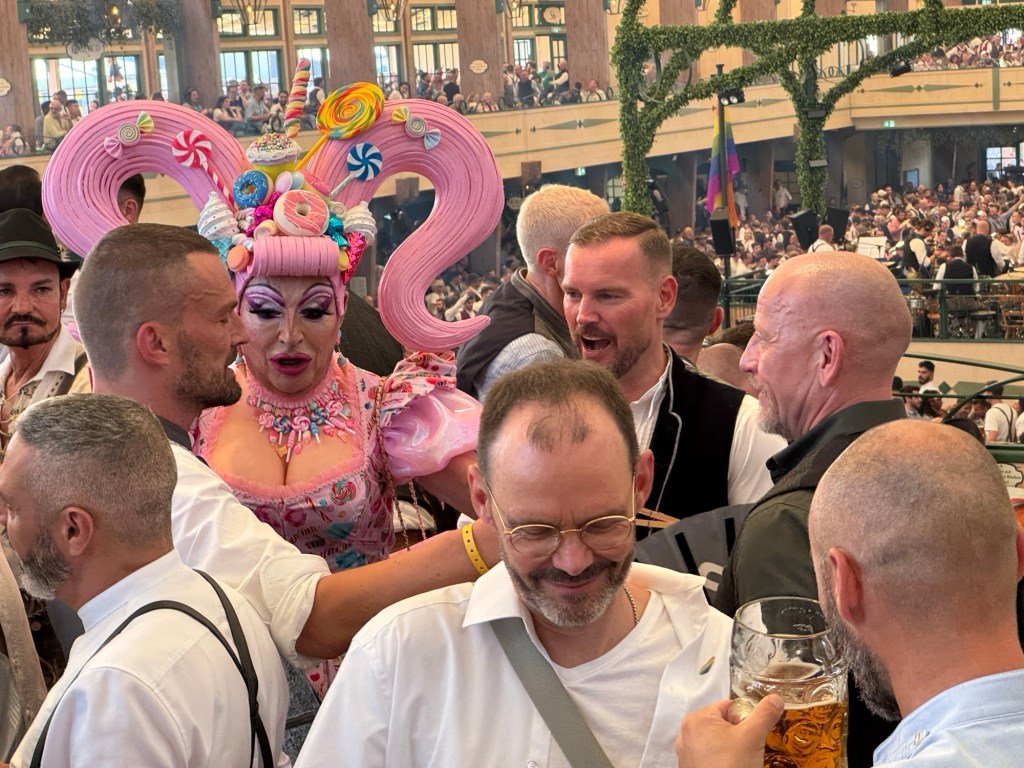
For gay men, Münchner Löwen Club (or MLC, Munich’s leather and fetish club) reserves a section of the Pshorr-Braürosl each year on the first Sunday of Oktoberfest. Known as Rosa Wiesn, tickets go on sale a few months beforehand and sell out within a week or so (sorry, ladies: MLC insists these are men-only events). The Rosa Wiesn tickets are paired with a Saturday morning brunch, which was surprisingly fun. They also host a few other events throughout the week, some fetish-themed, others not.
There’s also Prosecco Wiesn on the first Monday of the festival. No, they’re not selling sparkling wine; the Monday event got its name when the owner of Munich’s gay bar Prosecco organized it.


What to Wear
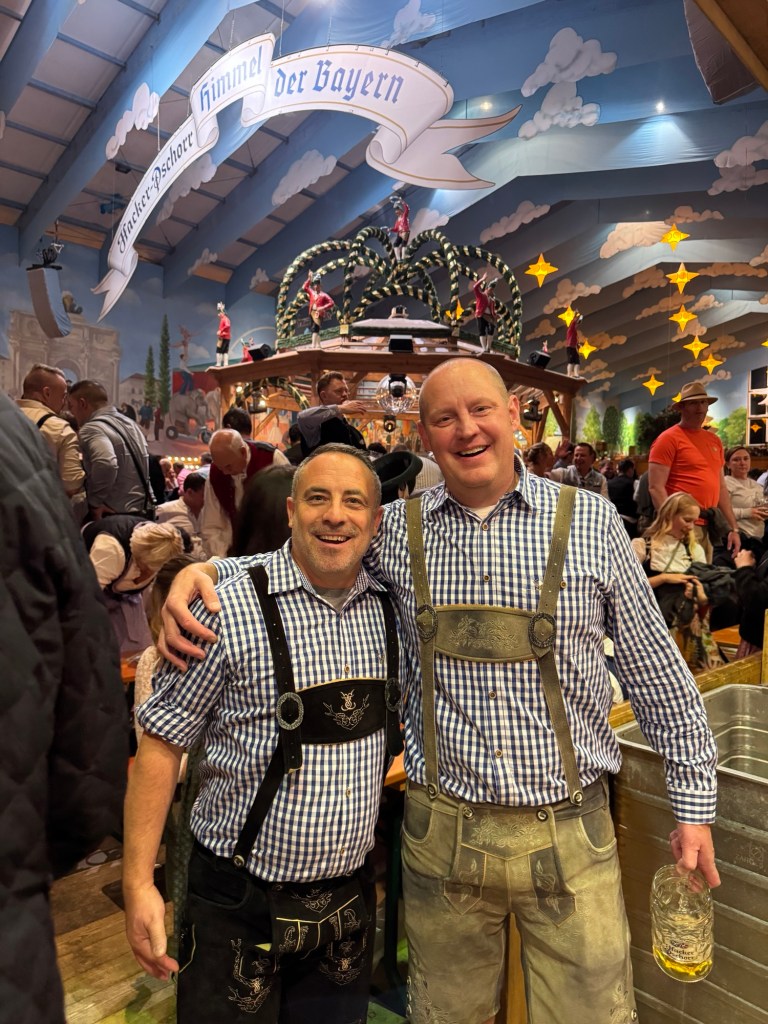
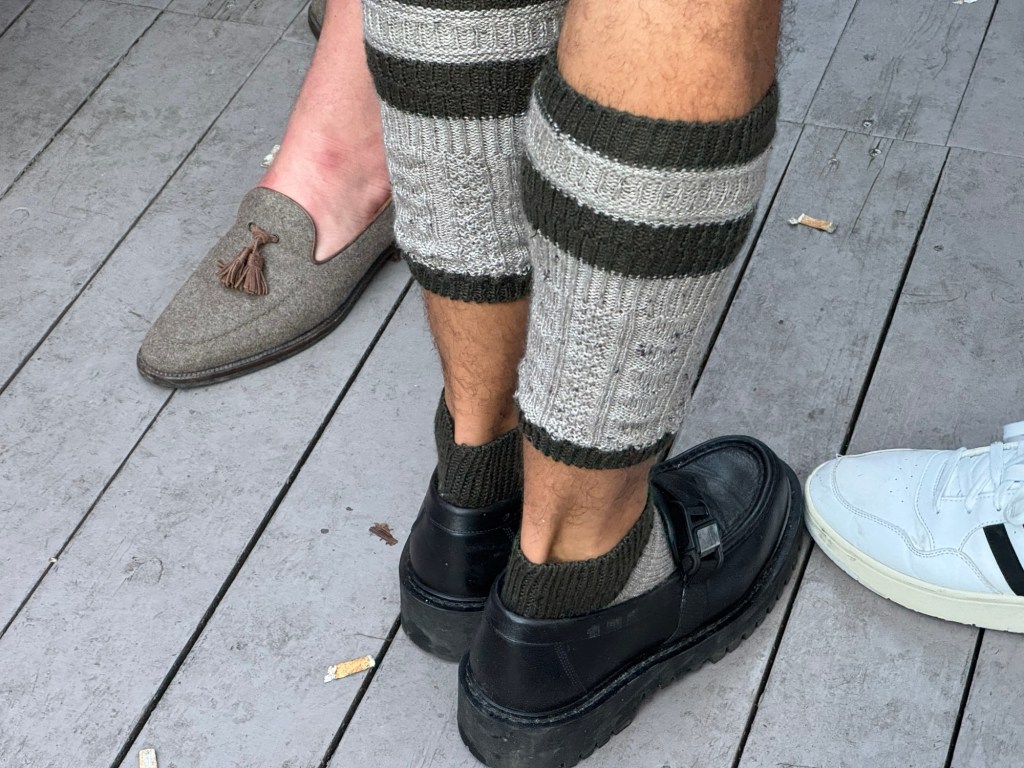
As for the traditional dress or tracht, yes: lederhosen and dirndls are popular and are everywhere in Munich during Oktoberfest. There are some local establishments that will rent them, but the rule of thumb I learned is that if you’re not going to do it authentically, you should probably skip it. That doesn’t mean you can’t do your own personal twist, but the costumey t-shirt with a picture of lederhosen on it will not be appreciated.
If you’re not going all in, that doesn’t mean you shouldn’t make an effort. Unlike a state fair in the U.S., people do dress up. Jeans or khakis and a button-down won’t stand out much, but shorts and a t-shirt might.
Outside of the Wiesn
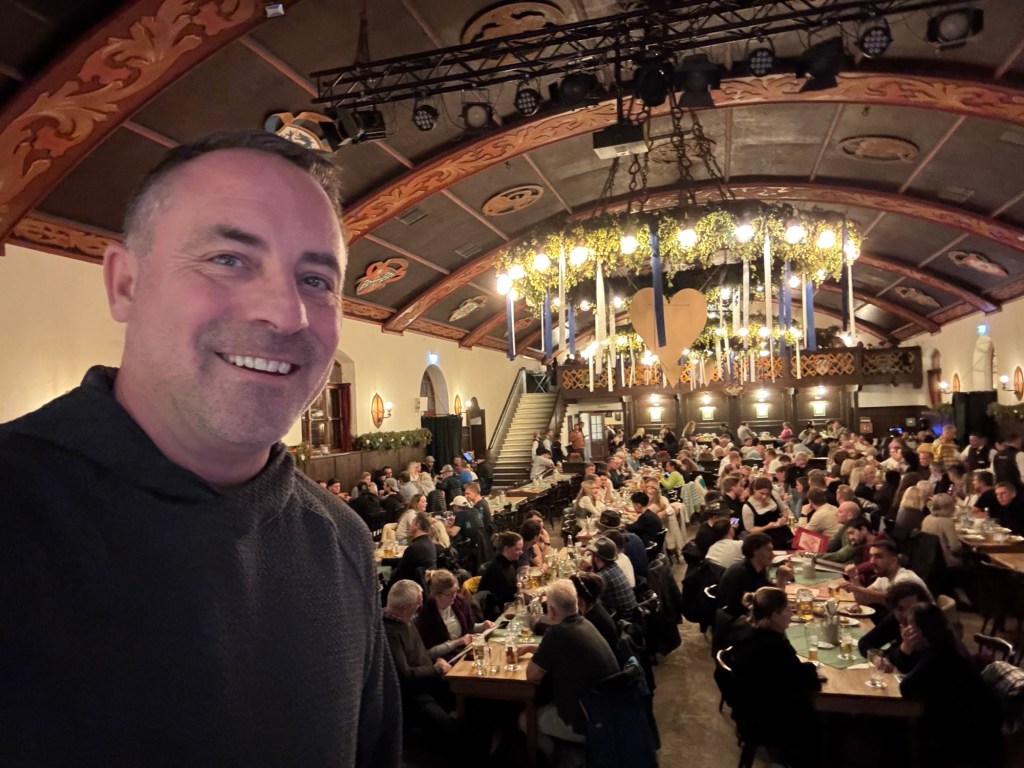
Oktoberfest isn’t just celebrated at Theresienwiese. With millions of people descending on Munich for the festival, it very much spills out into the rest of town. Expect busy restaurants and bars (especially the notable fest halls like Hofbräuhaus) that are also full of folks celebrating and wearing their tracht. The party carries on before and after the festival, 0r for folks who don’t feel like dealing with the crowds at the Wiese, so don’t feel like you need to limit your food, beer, or oompah band experiences just to that.

 Upper Left Traveler