Medellin, Colombia is known as the City of Eternal Spring for its year-round mild weather. And I’d spring (pun obviously intended) at the chance to return—it was my favorite city on the trip to Colombia. Yes, I loved the nightlife in Bogotá, the heat and lively neighborhoods in Cartagena, and the spectacle of Barranquilla’s Carnaval. But I found Medellin to be the most beautiful of the four cities with the best mix of all Colombia had to offer.
My February 2023 trip was inspired by stories from friends who had recently traveled to Colombia, as well as information from Colombian-American friends who were a little disappointed I didn’t visit their hometown of Cali, so obviously I have to go back. Plus, I’ll be better prepared now that I know about the surprises I shared previously.
Know Before You Go
In addition to the information and advice found in other city guides (including: yes, Colombia is safe and welcoming to visitors), I found a few things worth emphasizing:
- While Medellin’s elevation (5000’ +/-) isn’t quite as high as Bogotá’s it’s still up there. Even if you don’t have issues catching your breath, remember that the sun’s rays are more powerful up here. I got one heck of a sunburn from an afternoon on the roof deck. Ouch.
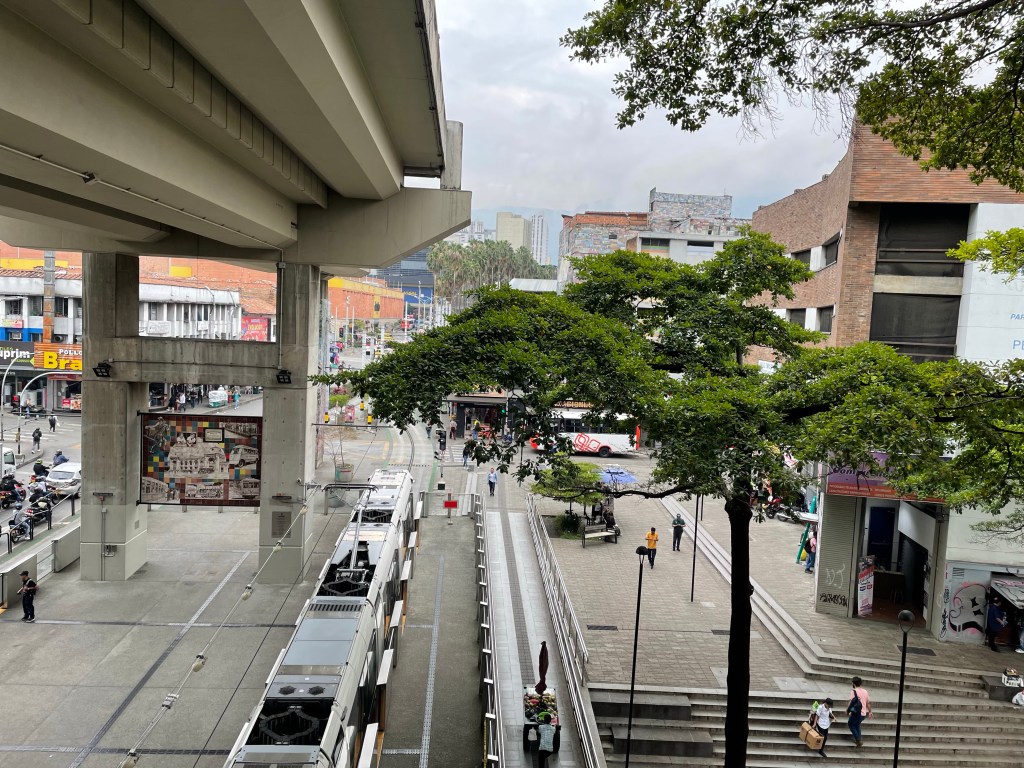
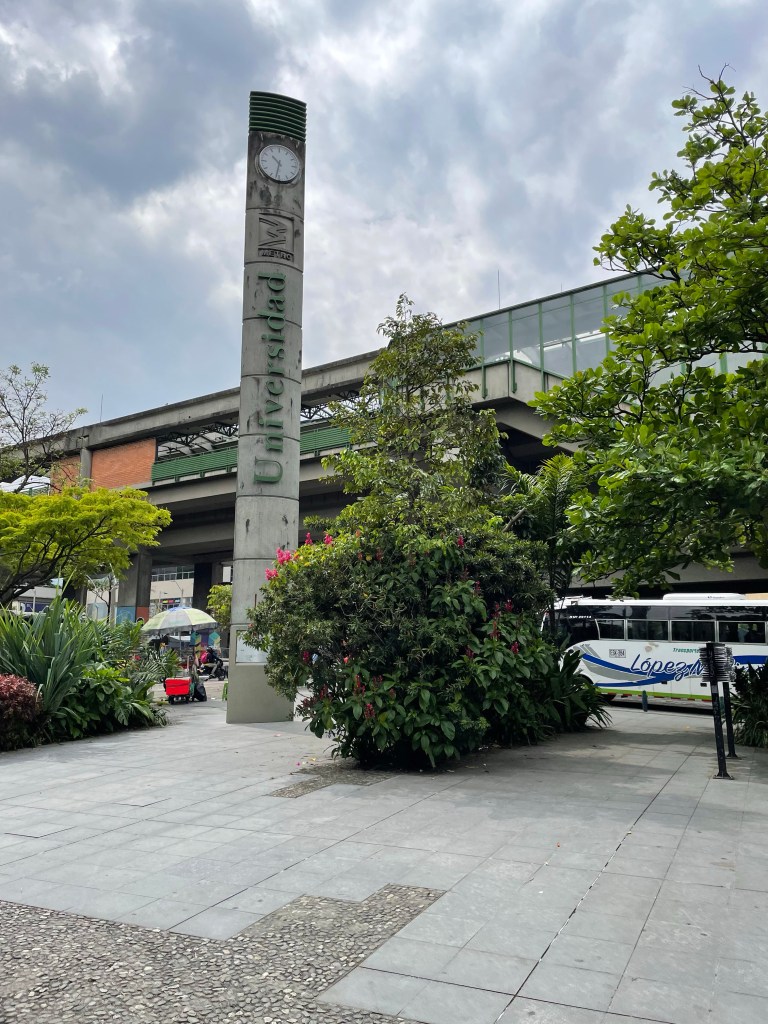
- Medellin has EVERY form of transit. Metro trains. Streetcars. Bus Rapid Transit. Regular busses. Electric busses. Gondolas (which they call Metrocable). It’s incredibly well coordinated, really efficient, and inexpensive. It’s a great way to get around most of the city … except maybe for the airport, which heavily favors taxis.
- The mountains that surround Medellin and contribute to its beautiful landscape also create a valley that traps smog and haze. Embrace the clear days if you get one, but recognize that it may be more hazy than not. And folks who are sensitive should plan accordingly.
- Fun fact: Medellin has lowered its temperature by about 4 degrees (Fahrenheit) since 2016 by investing in trees, parks, and green corridors. Catch this fun reel for a quick video that sums it all up.
Sightseeing Highlights
Medellin is pretty forthcoming about its illustrious history. For the most part, they don’t dwell on it (though you can find a Pablo Escobar tour if you really want), but our tour guides were candid that the city had a rough time back in the 80s and 90s. To a certain degree, they also shared personal stories which made it even more poignant.
While Medellin today is definitely not the Medellin of the 90s, it helps to understand the history to fully appreciate some of the city’s best sights. Highlights of my experiences are below with some of the most notable parts of their history for me. As with other posts, these aren’t meant to replace other guidebooks—or the more personal history imparted by the better tour guides. In the few days we were there, we only touched on the spots to visit in Medellin, so be sure to read up elsewhere about the places I didn’t make it to.
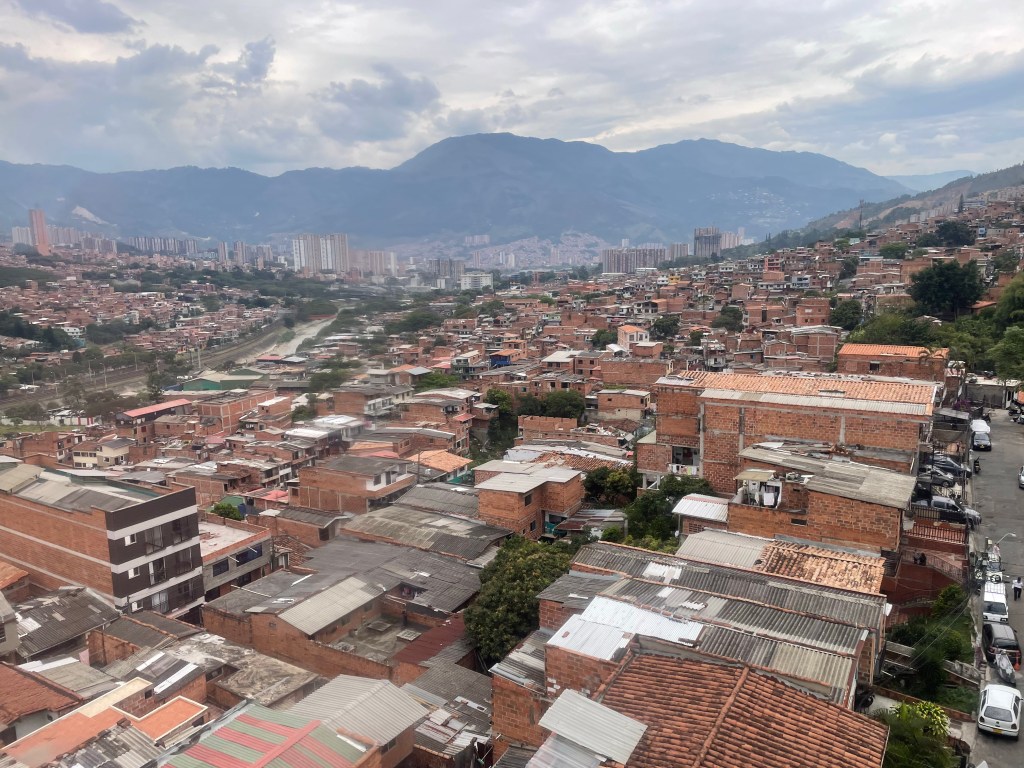
Curious about Medellin’s robust transit system, we booked a transit tour which took us by Metro to Plaza Botero (more on that below), Medellin’s Jardín Botánico, then to Parque Arvi via Metrocable (the gondolas that are Medellin’s public transit answer for hillside neighborhoods). Time constraints kept us from exploring the park, but the Metrocable provided a birds-eye view of the changing landscape from the valley floor, a variety of neighborhoods which quickly became less accessible and more rural as we went uphill, and then over the treetops of the park and adjacent forest. Our guide shared personal stories about growing up in the Acevedo neighborhood at the other end of the Parque Arvi Metrocable, including the sense of community there, challenges with very dense housing (“homes are so close people dream the same dreams”), and the connections to the rest of the city that were created when the Metrocable was developed.


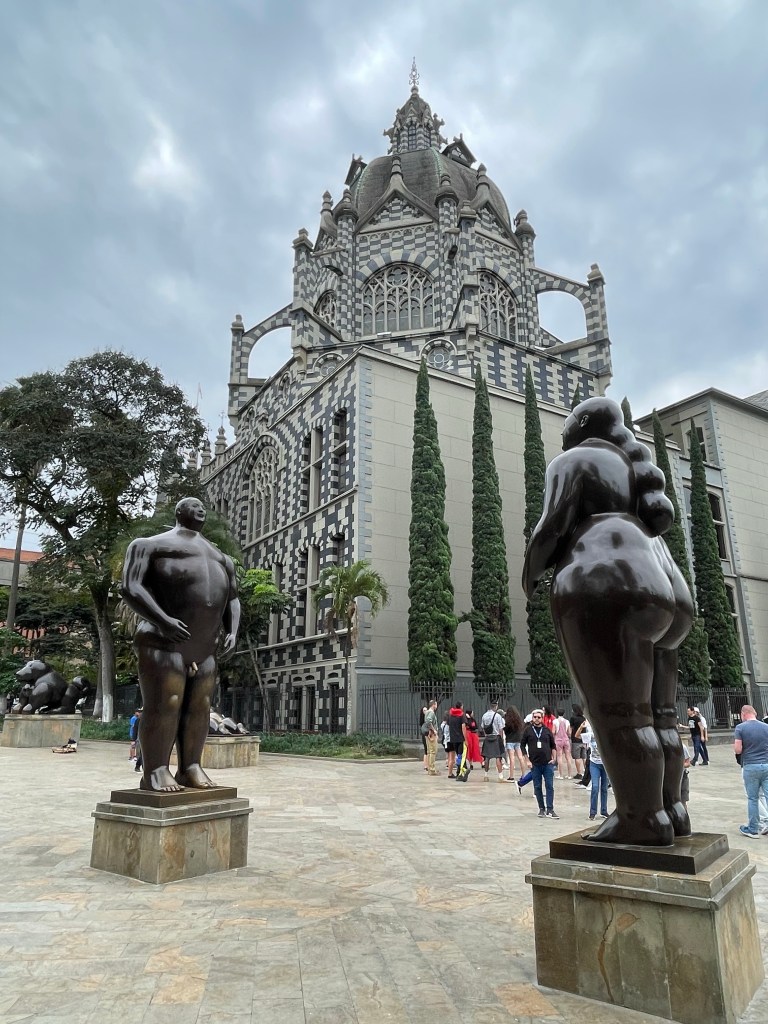
Plaza Botero was one of our first stops on the transit tour mentioned above, and fun to see after visiting Bogotá’s Botero Museum. Consider Plaza Botero a bit of a greatest hits of his sculptures sprinkled around this downtown plaza. The sculptures are immediately recognizable as Botero’s, but are also surrounded by other worthwhile sights, including the striking Palacio de la Cultura, Mueso de Antioquia (which Botero donated a number of other works to), Iglesia de la Veracruz (one of the oldest in Medellin) and nearby Centro Comercial Palacio Nacional, a grand building formerly home to government functions, now converted to a gallery of shops.


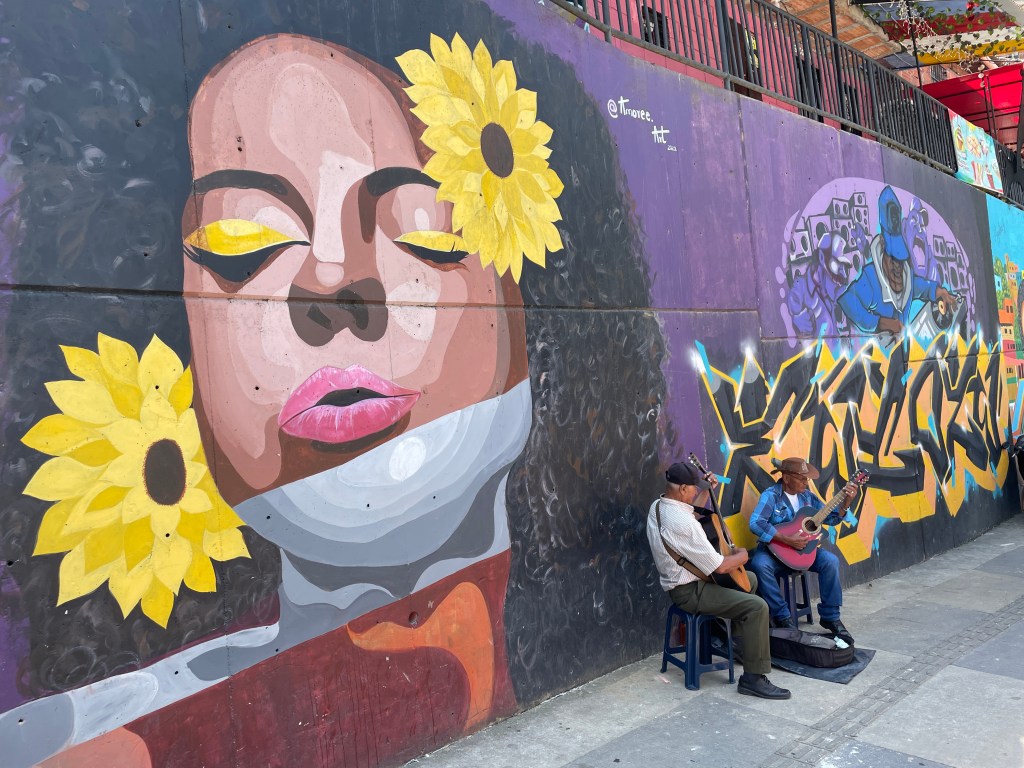
The following day, we joined a tour of Comuna 13, which was another highlight of our visit to Medellin. I’d highly recommend checking out the neighborhood—and would especially recommend doing it as a guided tour. You might be able to learn from a book the history of the neighborhood (populated by people displaced from rural areas by the drug trade who later found themselves subject to the violence and control of the gangs and guerrillas which were eventually ground under control by local authorities who also brought youth and economic programs to the distressed neighborhood). The guides will share this history with more nuance and detail, but ours also knew amazing detail about the street art that’s such a draw to the area and the meaning behind each part of the art.


Inspired by our transit tour, we took one otherwise unscheduled day for an unguided (read: very loosely planned) tour of the transit system and a few neighborhoods. Transit nerds rejoice: we went from the Metro to one of Medellin’s electric Bus Rapid Transit lines (not as astonishing as Bogotá’s, but also not as frenetic) to a more local electric bus, back to the Metro. It was a fun and cheap way to cover a bit more ground, and was an easy way to get from our hostel in El Poblado to check out the Laureles neighborhood’s mix of commercial and quiet residential streets. We wrapped up our tour with some bites and brews back in El Poblado – more detail on that below.
Eating and Drinking
Staying in the El Poblado district during our time in Medellin, and more specifically in the Manila neighborhood, meant we were within blocks of any number of restaurants and watering holes. It was easy to find traditional Colombian fare, and other food was just as prevalent and just as delicious.
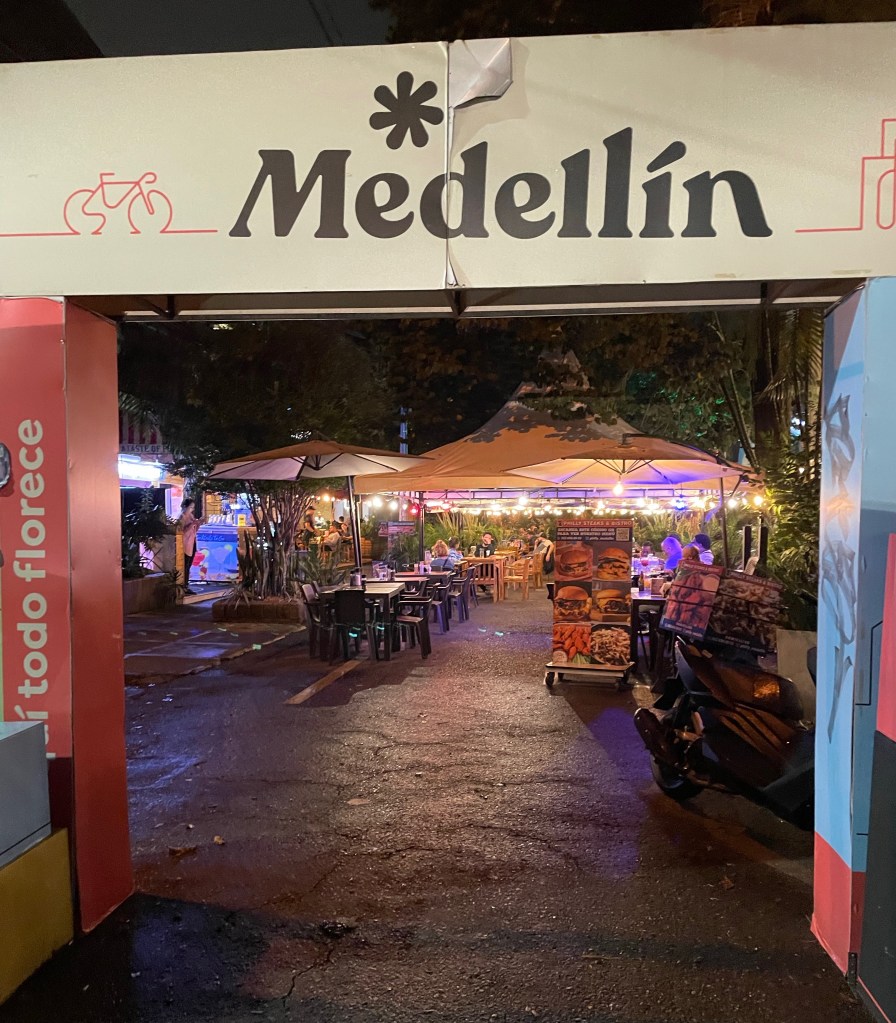
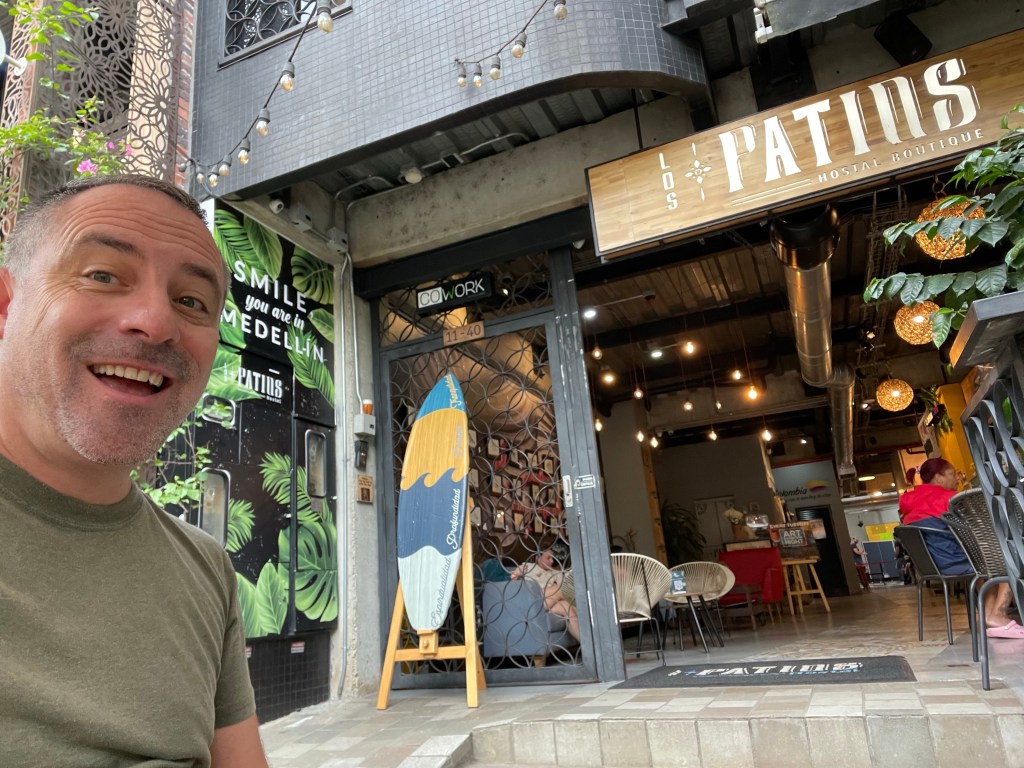
Only a few steps from Los Patios on Carrera 43E was al pedestrian block filled with food and beverage options. We checked out Oliva Manila (good food, but skip the lychee sangria), Criminal Taqueria (birria tacos were our favorites), and Foxey Pub (friendly staff, good beer, and a nice rooftop patio), though there were several others we didn’t make it to.

Some of my other favorites included:
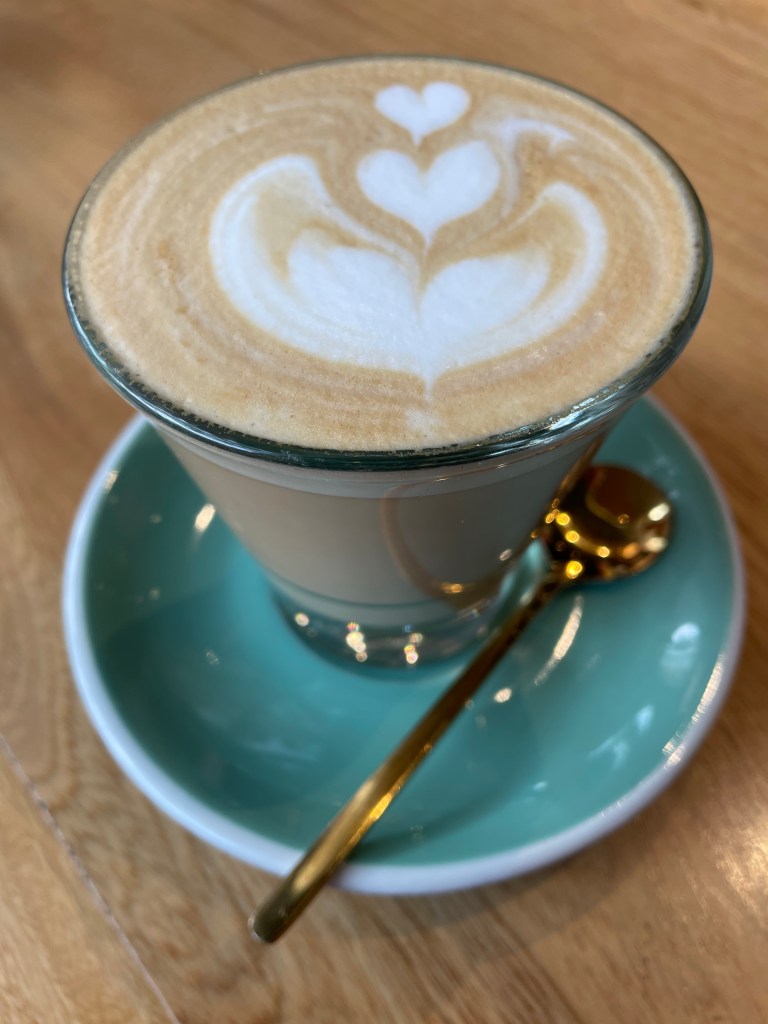
Hija Mia had breakfasts were as beautiful as they were delicious, including the most remarkable avocado toast I can recall. Hija Mia were incredibly convenient to our hostel, so the restaurant and cafe was also our go-to for morning coffee and pastries (#protip: their banana bread is also delicious!). We also brought home some of their great coffee.
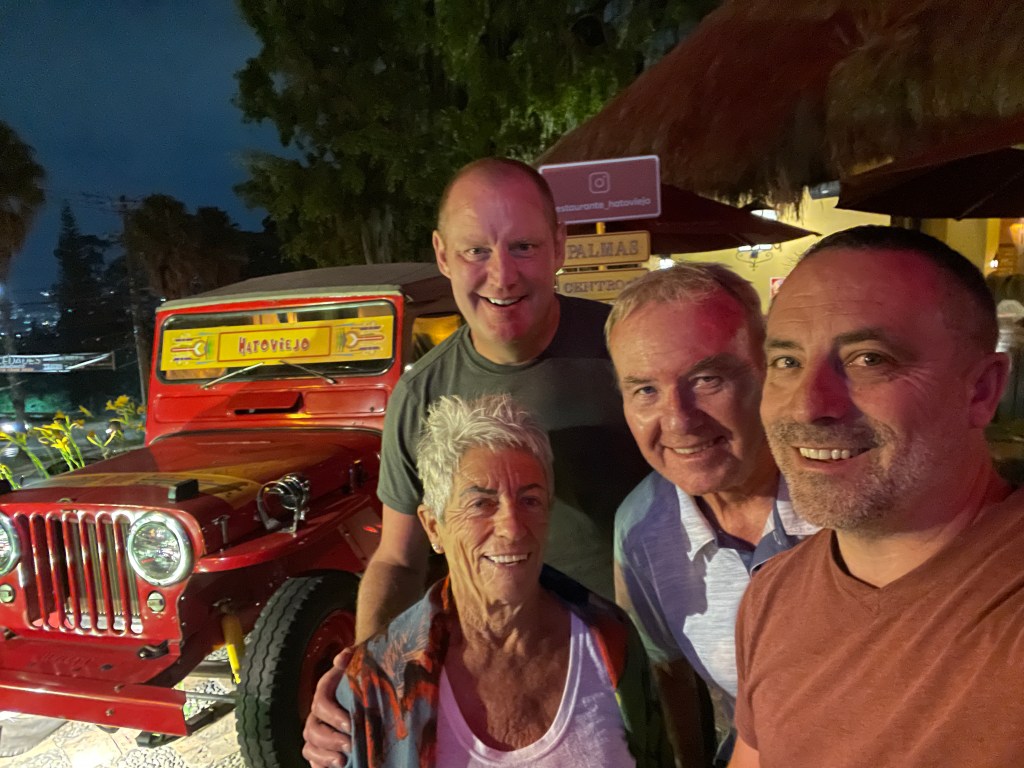
Hatoviejo seems to be a bit of an institution in Medellin for Colombian food from many regions of the country. They have a few locations around the city (which initially caused some confusion with our taxi driver about which one we intended to go to). The Las Palmas location we ate at had a great patio as well as a large indoor dining area and served up delicious food. Even if it wasn’t the best Colombian food of our trip, the location and service made it worth recommending just the same.


To round out our exploration of food and beverage, we wrapped up our unguided tour of Medellin with a stop at Mercado del Río, a beautiful food court near the Museum of Modern Art, followed by some beers at Bipolar Brewing Co. (beers were good, though not my all time favorites). We had hoped to also check out the nearby 20Mission Cerveza, but they were closed for a private event (insert sad face).
Nightlife
Medellin, like other cities in Colombia, has a vibrant nightlife. This is probably an understatement for El Poblado, particularly around Parque Lleras and Parque de El Poblado, and to a lesser extent in the pedestrian area of Calle 43E mentioned above with Eating and Drinking tips. The two El Poblado-area parks were very busy on the weekend nights we walked through them. Parque de El Poblado was more of a spot folks came and hung out, whether to meander through the food and craft vendors, or just to drink a beer in the park. The plethora of bars and nightclubs (gay and straight) around Parque Lleras meant things were bumping for several blocks surrounding it.
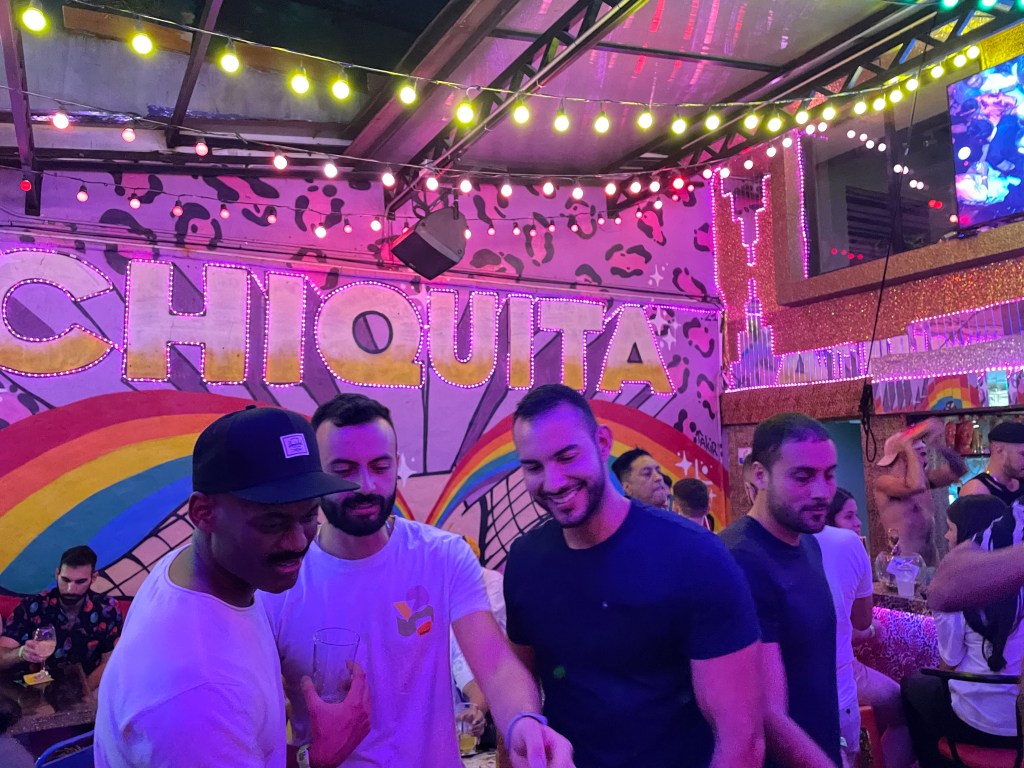
Bar Chiquita is one of the gay bars just a block from Parque Lleras in Poblado. It’s open Wednesday through Saturday and was packed on the Saturday night we were there with lots of music, drag performances, folks hanging out on the patio overlooking the street, and otherwise generally spreading good vibes.
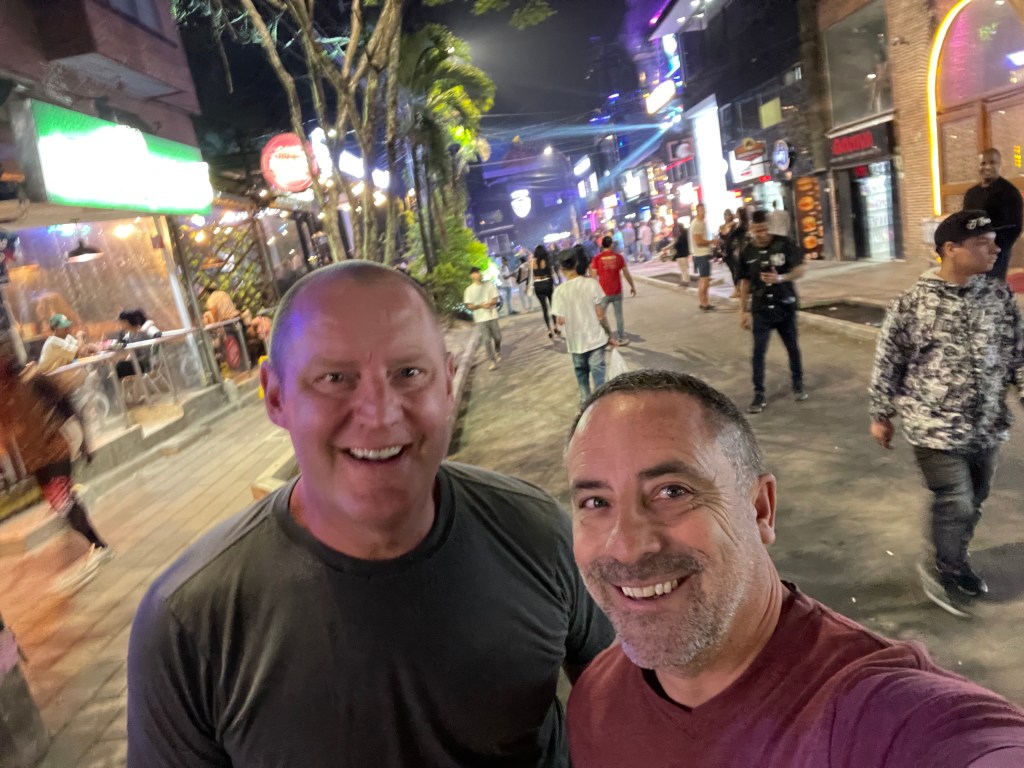
Donde Aquellos Bar is also very near Parque Lleras and opens a little earlier than Bar Chiquita. It’s a fun spot to grab a drink or two and do some people watching before heading elsewhere. To be honest, I’m not positive that the beers we ordered were at Donde Aquellos—there appear to be three bars spread across a continuous patio overlooking the street. But regardless of which bar or bartender your drink comes from, there’s great people watching from the open air tables.
We had a VERY early flight home on Sunday morning, so we didn’t make it to any of the larger clubs, or those in the Laureles neighborhood. Based on our experience, I have little doubt they’d be lively and fun.
Lodging
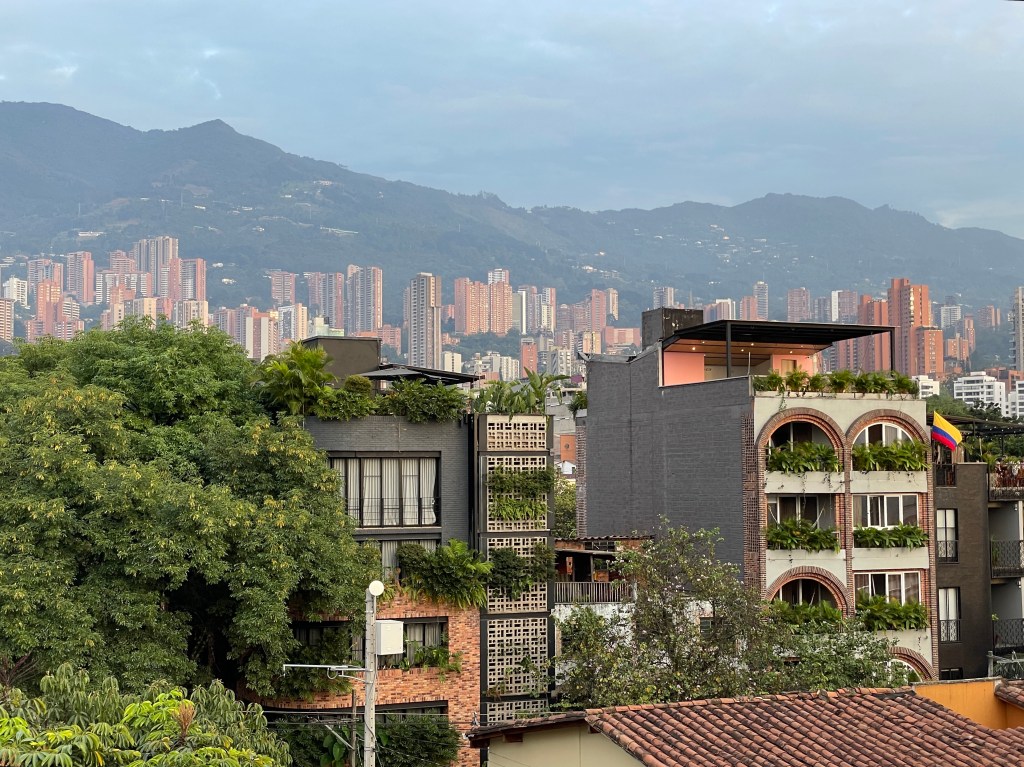
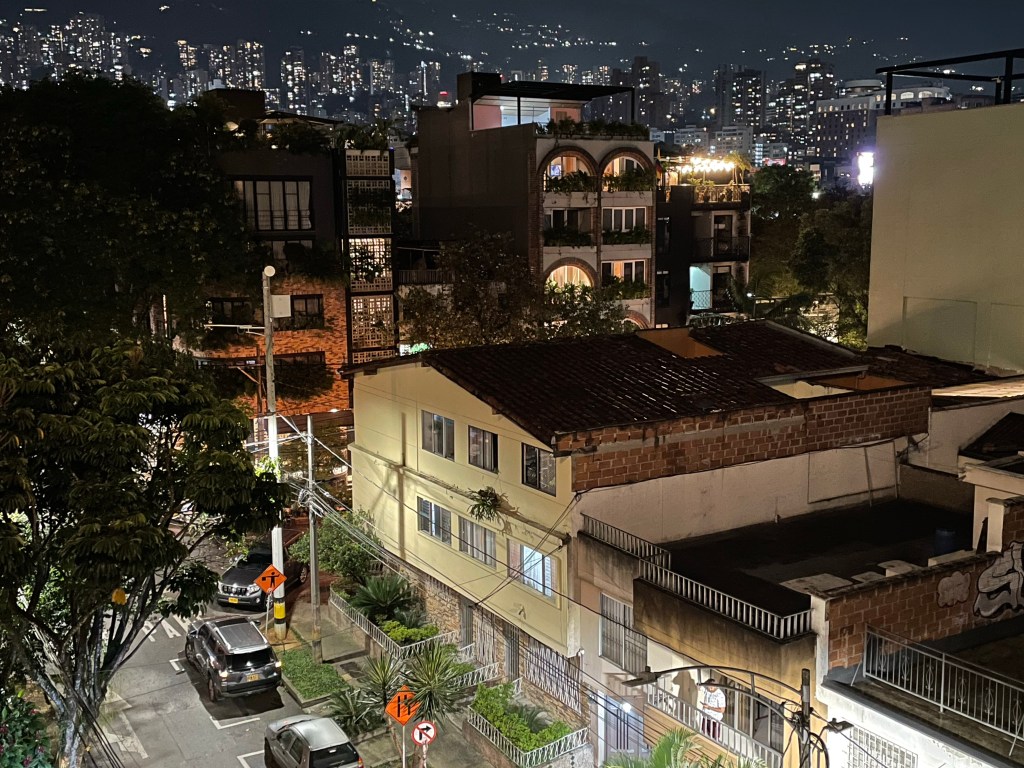
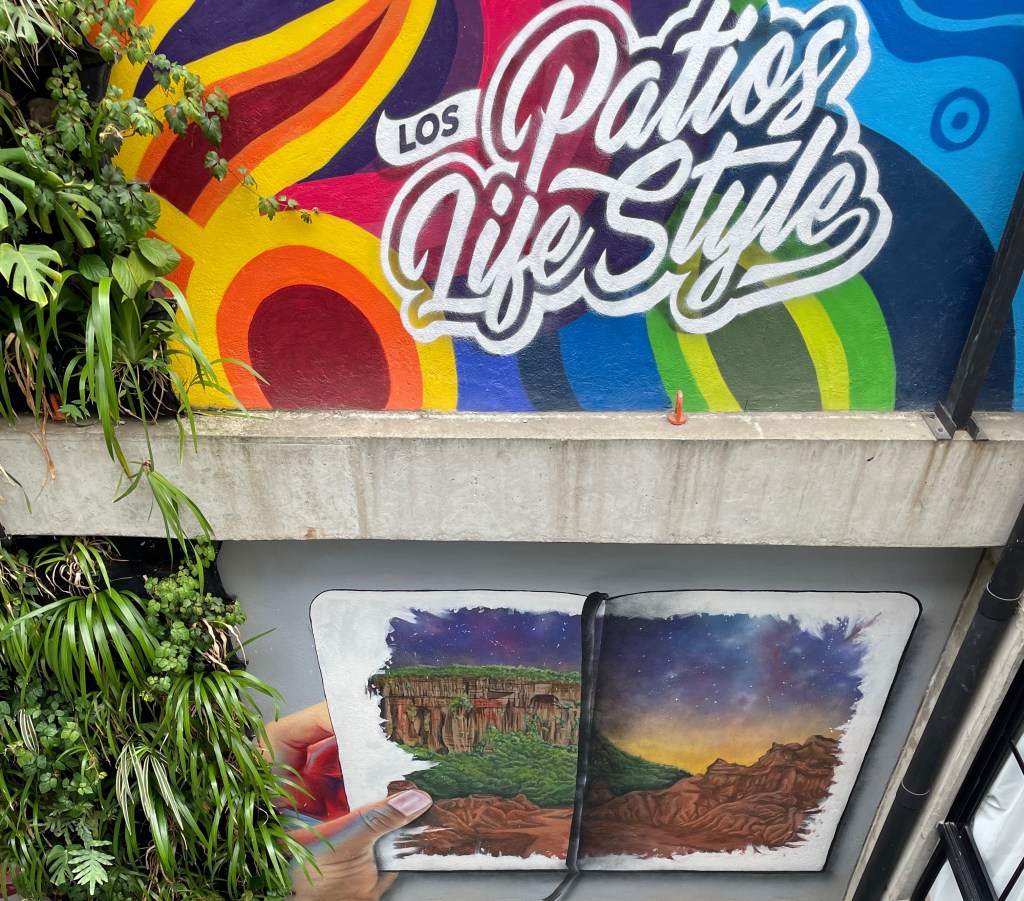
Los Patios Boutique Hostel and Suites was our home base in Medellin. Los Patios’ location was conveniently located in the Manila neighborhood of El Poblado, just a few steps from restaurants and bars and only a few blocks from the Poblado metro station. Our street-side room is their suites building had a private bath and air conditioning. The small balcony overlooking the street gave us some beautiful views of the city, although street noise was prevalent. Light sleepers might do better with an interior room.

Plenty of other hostel and hotel options are available in the Poblado area. If you’re considering something near Parque Lleras (see notes on nightlife above), do keep in mind that there’s a lot of noise from the nightlife around there, so those hotels are less likely to be the quiet, restful type.
 Upper Left Traveler